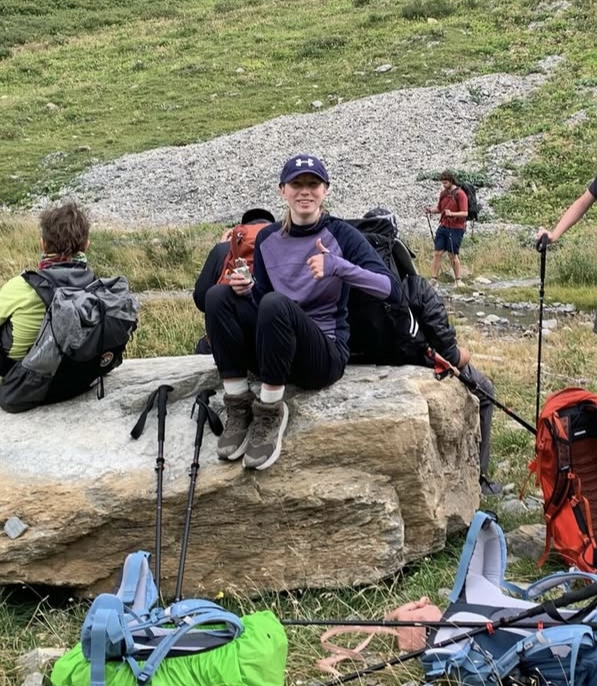
About Me!
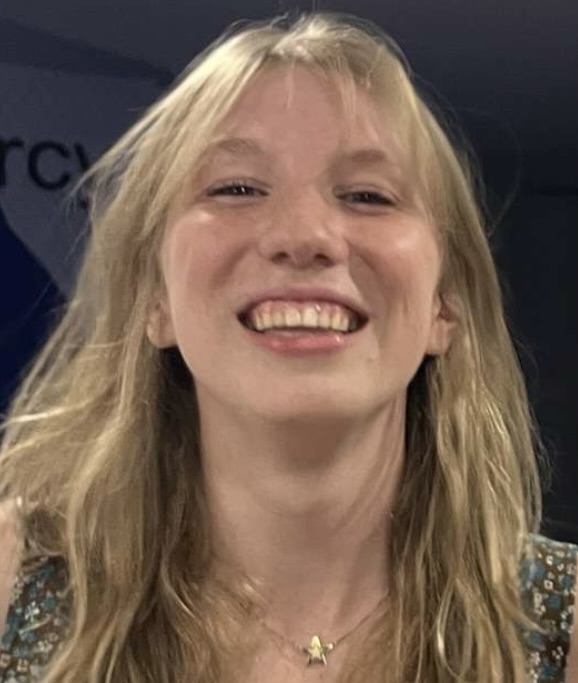
Hello! I am in my third year in the studio arts program at the University of Guelph, and my main focus is painting. I grew up surrounded by art; my family was divided 50/50, half engineers, half artists, but I didn’t start taking my art seriously until the lockdown. My high school art teacher really encouraged this path for me, and I have stuck with it. Outside of art, I really enjoy swimming and hiking!
Walk a Kilometer In Someone Else’s Shoes
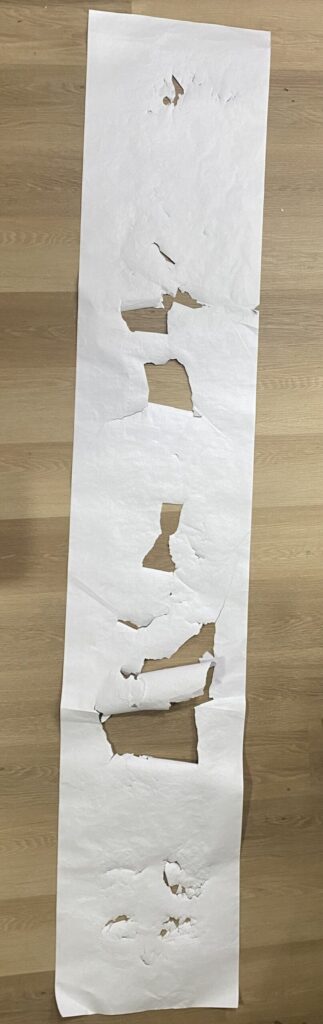
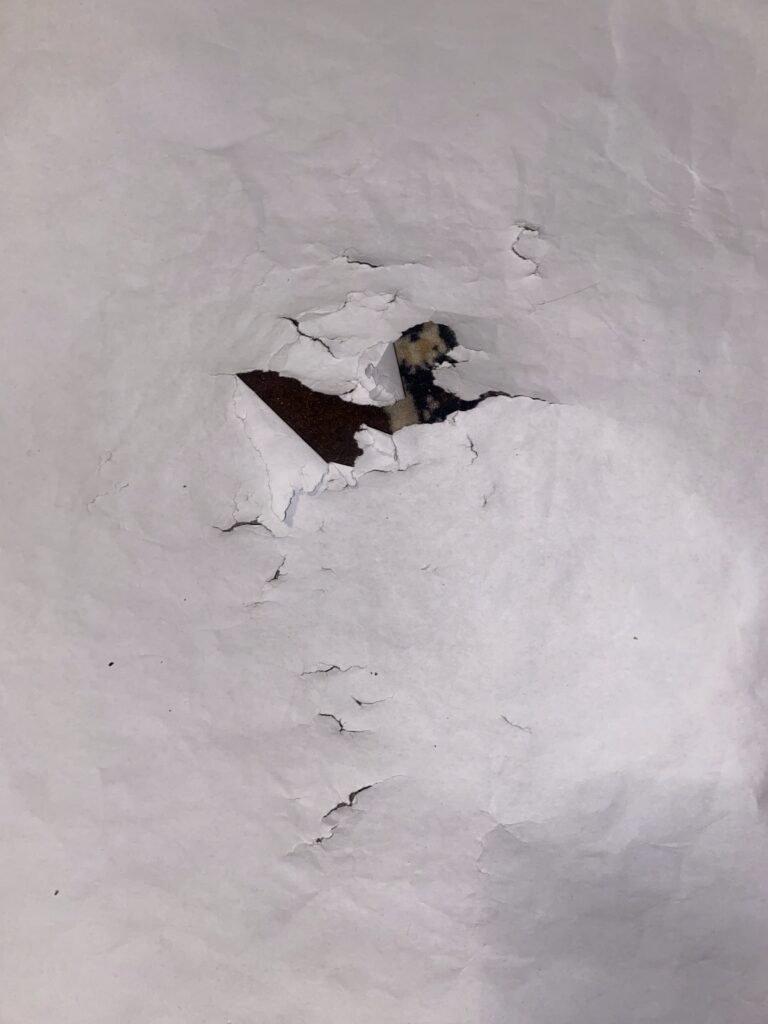
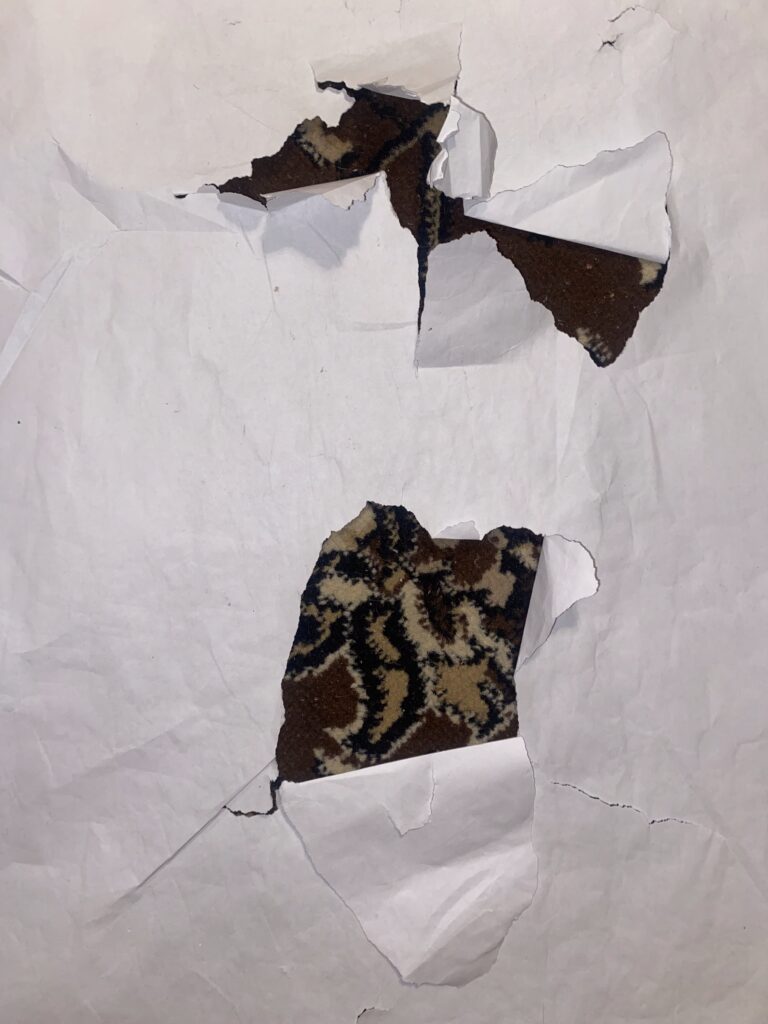
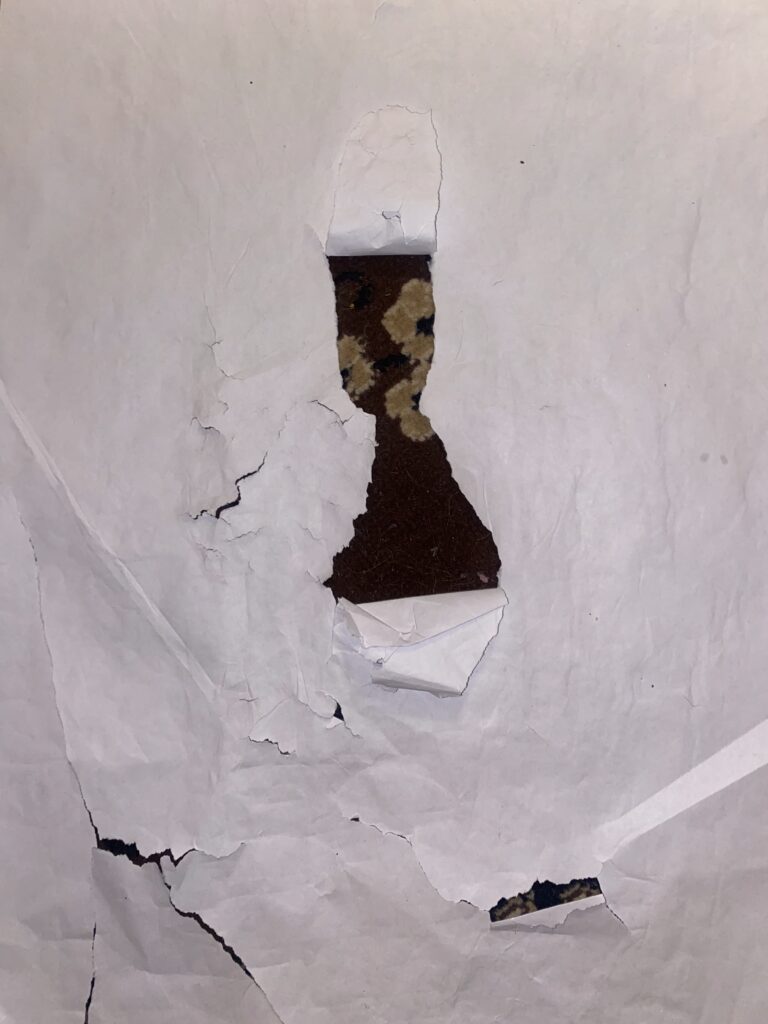
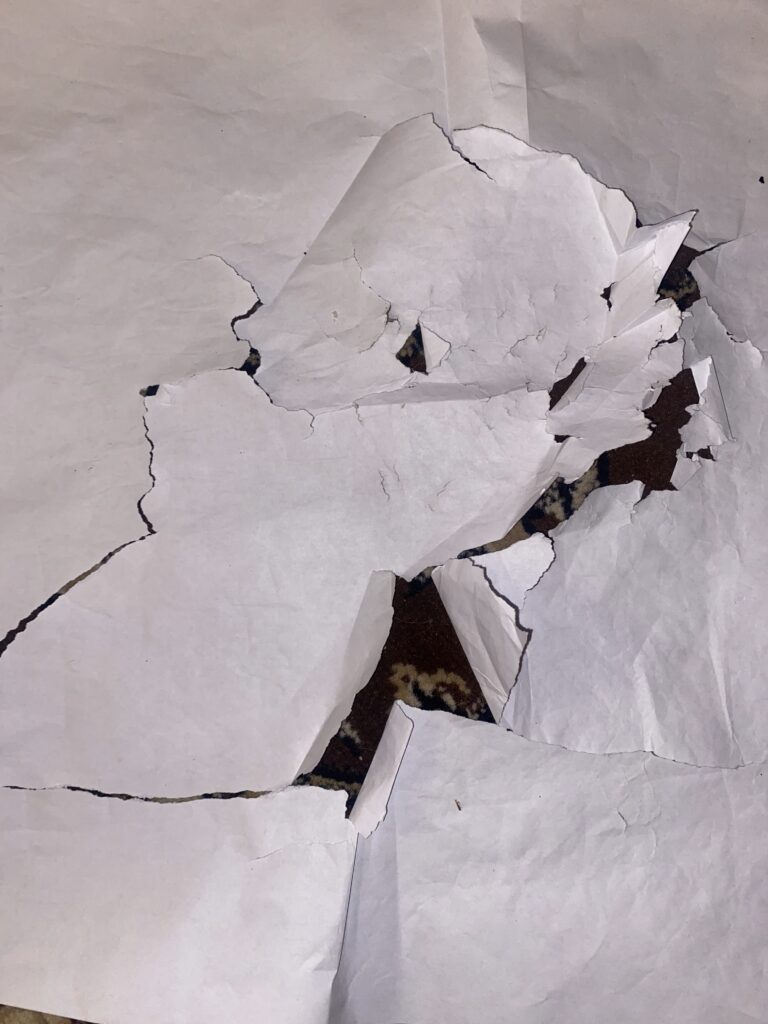
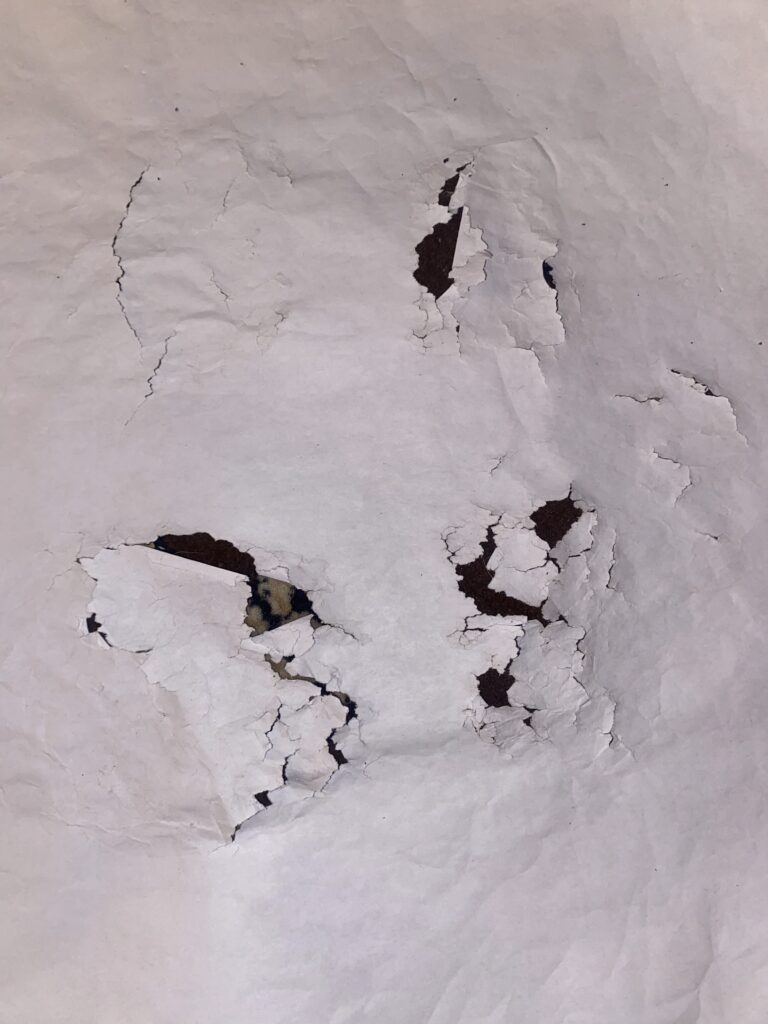
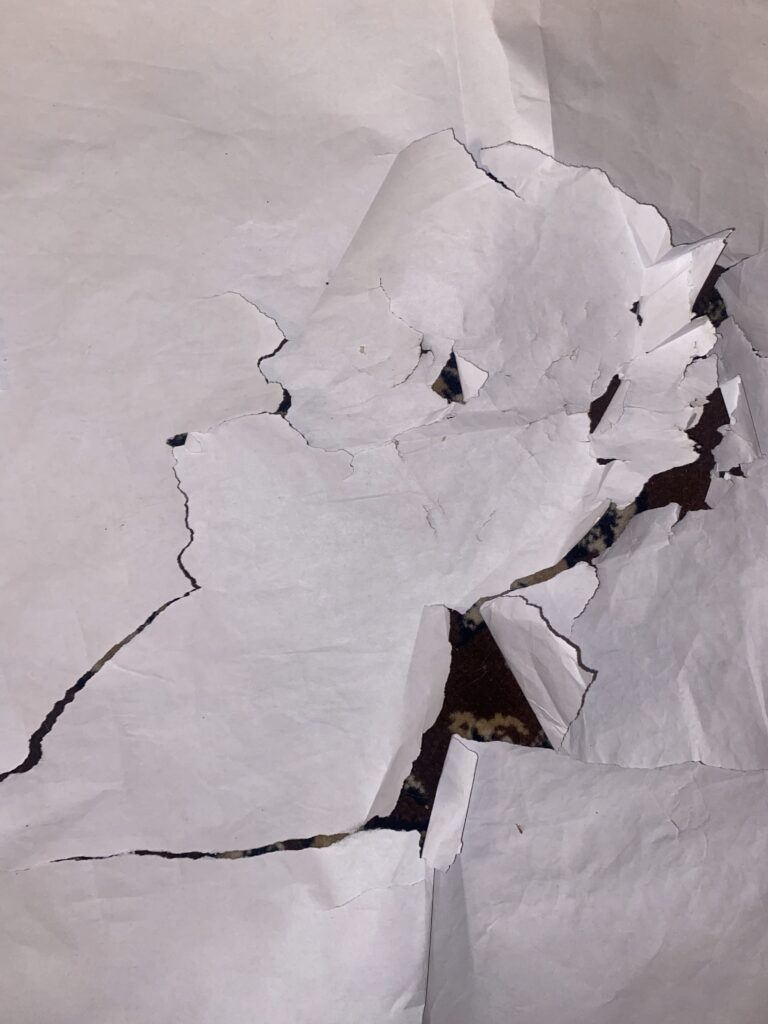
The act of “putting yourself in someone else’s shoes” means to experience things from their perspective and to learn about them. The way we walk is something so personal to us that isn’t often represented. There are many aspects that make an individual, the way we hold ourselves, the way we write, the way we express ourselves. Walking is a small part of that, one that is often overlooked. Each person has a different one, some drag their feet, some walk on their tiptoes, some favour one leg to another. The different shoes brought different conditions aswell. Some were muddy, some had a heel, some were only meant to be worn indoors. Each variation creates different marks which are reflected through the different rips and crinkles in the paper.
What’s the Rush?
Pretty
Animation
1. Describe the work discussed in the article and the unique challenges – as well as the unique gifts- that come with attempting to archive personal movements?
This article is about collecting people’s small, everyday movements, like cracking knuckles, raising eyebrows, or hiding their thumbs. Katja Heitmann believes these tiny gestures are part of what makes each person unique. Her project is called “Motus Mori,” which means “movement that is dying.” Instead of filming or writing the movements down, her dancers memorize them and perform them in slow dance shows. The project turns ordinary movements into art and helps preserve what makes each person different.
2. Discuss one or two examples of movements in the article – what strikes you about them?
1 that stood out to me in particular, was the older man. The older man is interesting to me because he is situated face to face with the younger woman in the other box, almost as if he is using her as a mirror. They are the only act situated towards each other as if they are looking at eachother. I find the parallel between their ages and genders interesting because it suggests they are different though similar. I also think the way he seems focused on his own movement while she watches him is interesting, it almost feels like the idea of surveillance, having your little habets watched and recorded by people.
3. Describe the habitual movements/unconscious gestures, tics etc. of 3 people you know well. How do individual body parts move, and how does the whole body interact? What about facial expressions, and emotional valence of the movement? How does body type inform the movement? What do these examples of small movements mean and imply?
Habitual movements are interesting because they are something I know very well about someone, but I’m not sure they know of themself. The first thing that comes to mind for me is my mom; she has a habit of tapping her nose when she figures something out, a habit I have adopted as I get older. If we’re doing a puzzle together and we figure something out, she will point at me, then tap her nose and point again. We asked her about it once, and she said she thinks of it like “I know it” which translates to ‘I nose it’ subconsciously. This movement always comes when she’s relaxed and happy, and is something my family associates with having fun. Another one that comes to mind is my girlfriend has a habit of twitching as she’s falling asleep. They only come in that moment between sleep and awake, and have become a measuring point for me to tell when she’s getting tired watching a movie or lying in bed. The minute she is fully asleep, they stop, but it is a sign of relaxation for her
Rising Frequencies
Creating my data sonification of global warming was both a technical and emotional process. I began by selecting temperature anomaly data over time since 1880 because it clearly captures the long-term trend of rising global temperatures. I mapped these values to pitch, so that higher temperatures corresponded to higher notes. This allowed the data to be perceived intuitively; listeners can “hear” the warming as the sound gradually rises. I chose a simple, minimal sound palette to keep the focus on the data itself rather than musical complexity. My inspiration came from the idea that sound can communicate patterns in a more immediate, emotional way than graphs. While visual data shows the trend clearly, transforming it into audio makes the experience more immersive and personal. I wanted listeners not just to understand global warming intellectually, but to feel its progression and growing impact.
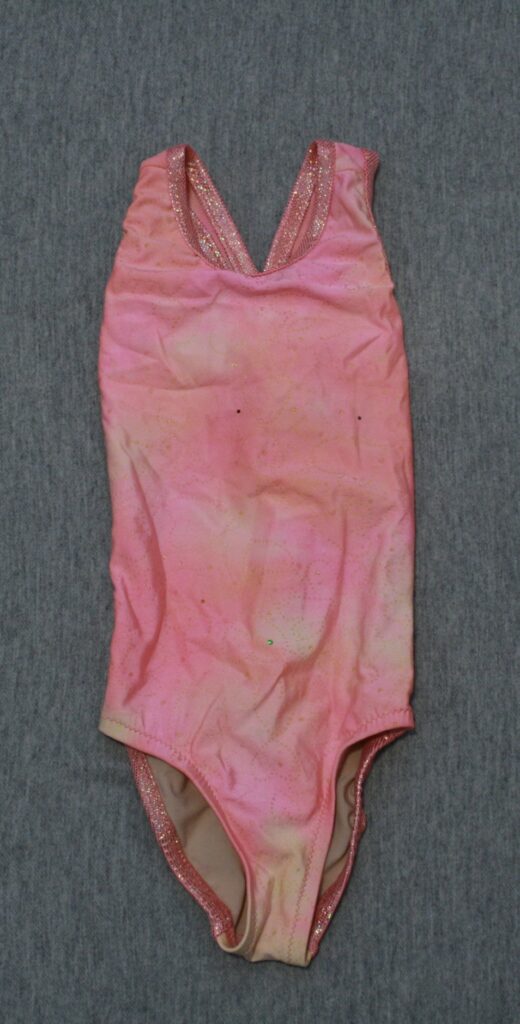
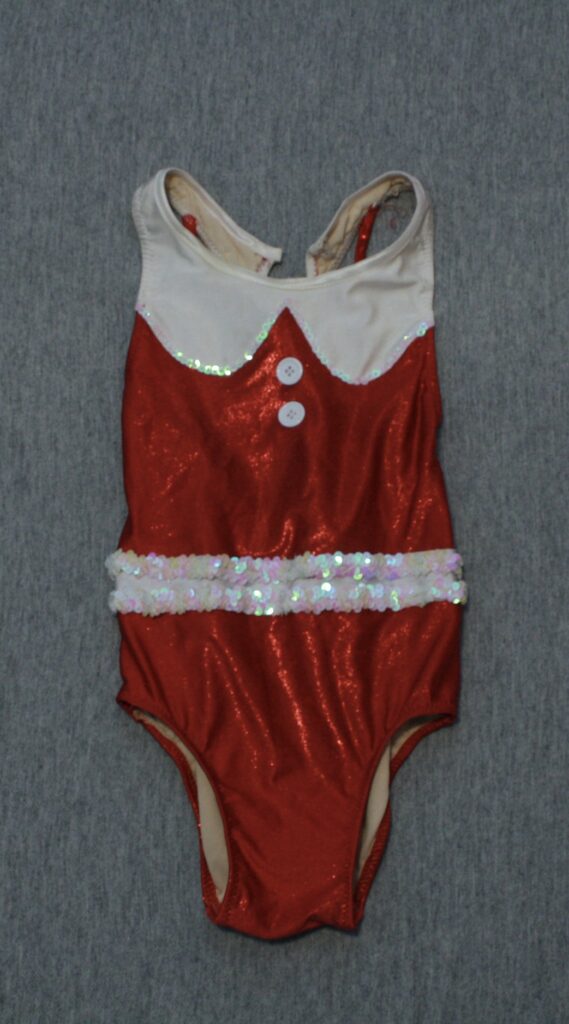
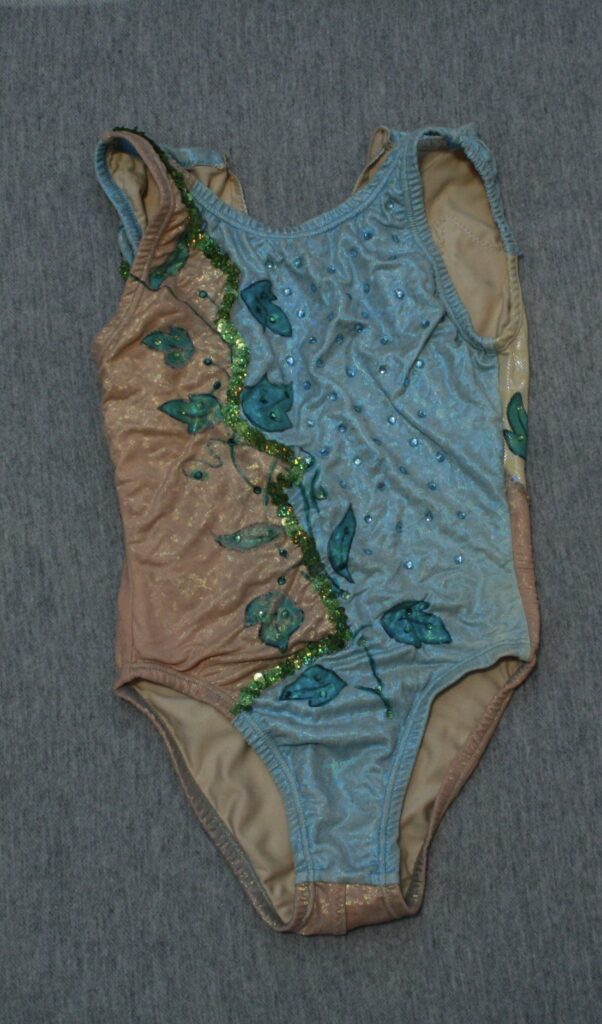
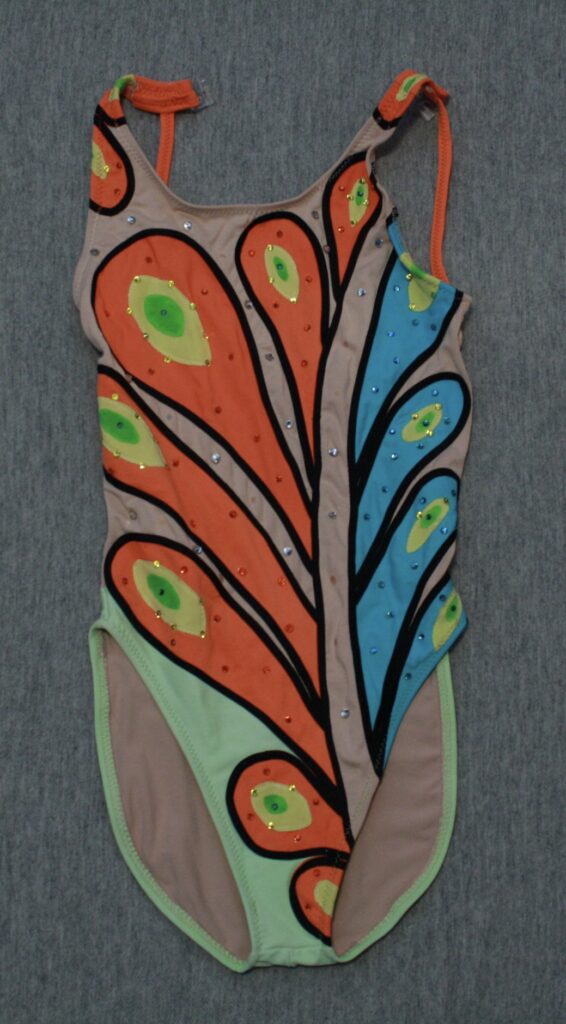
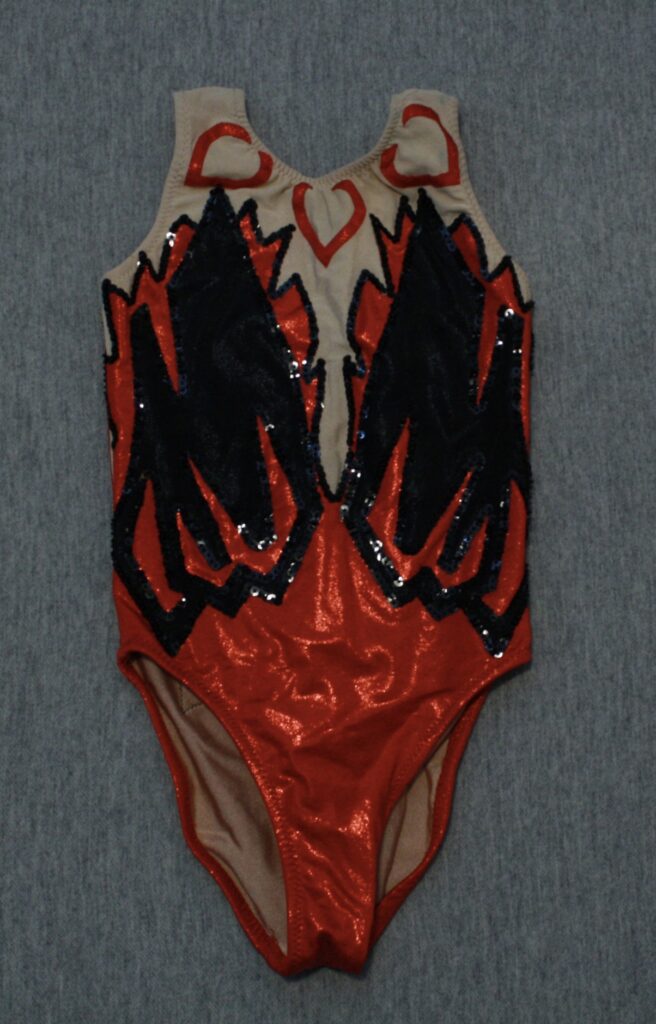
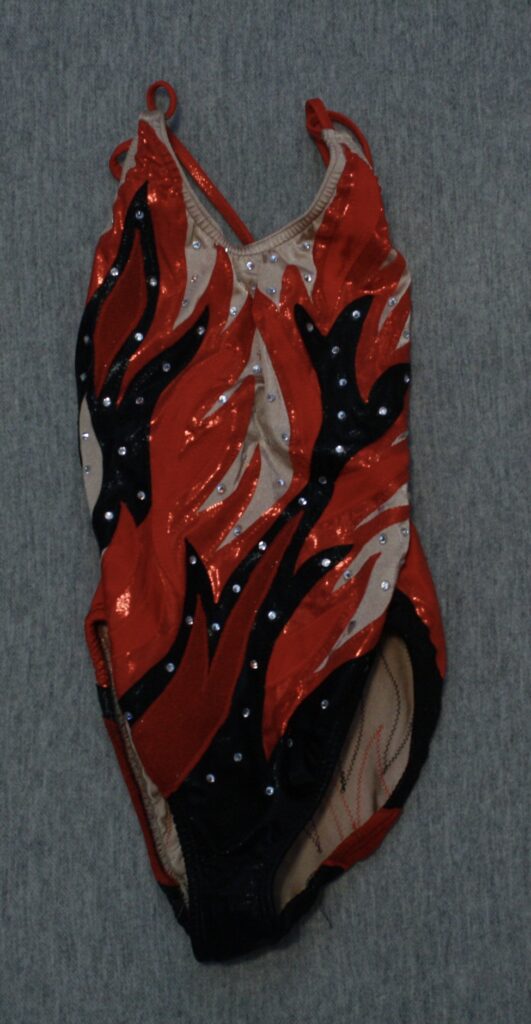
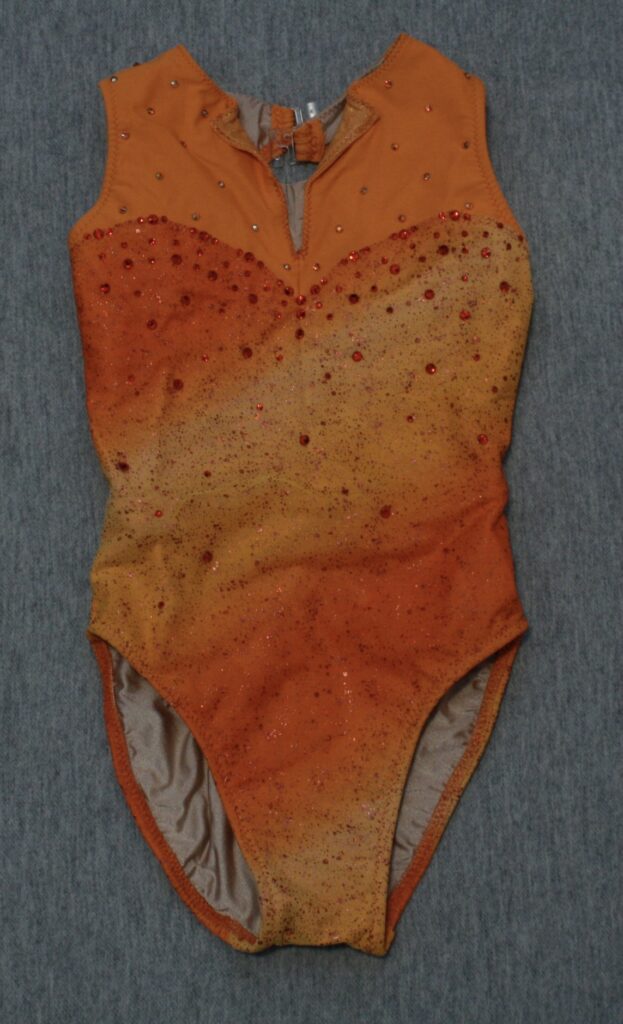
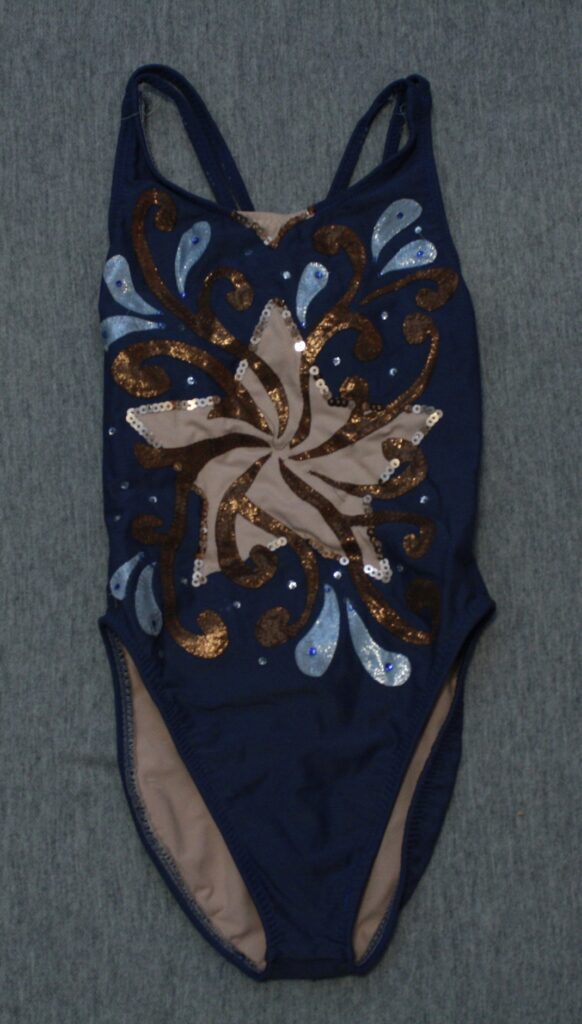
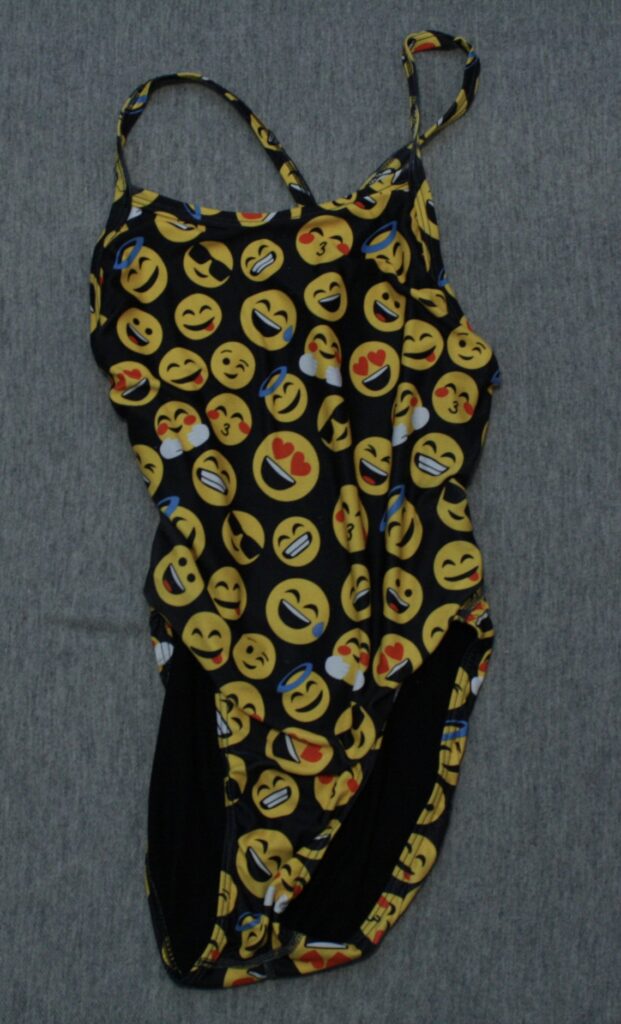
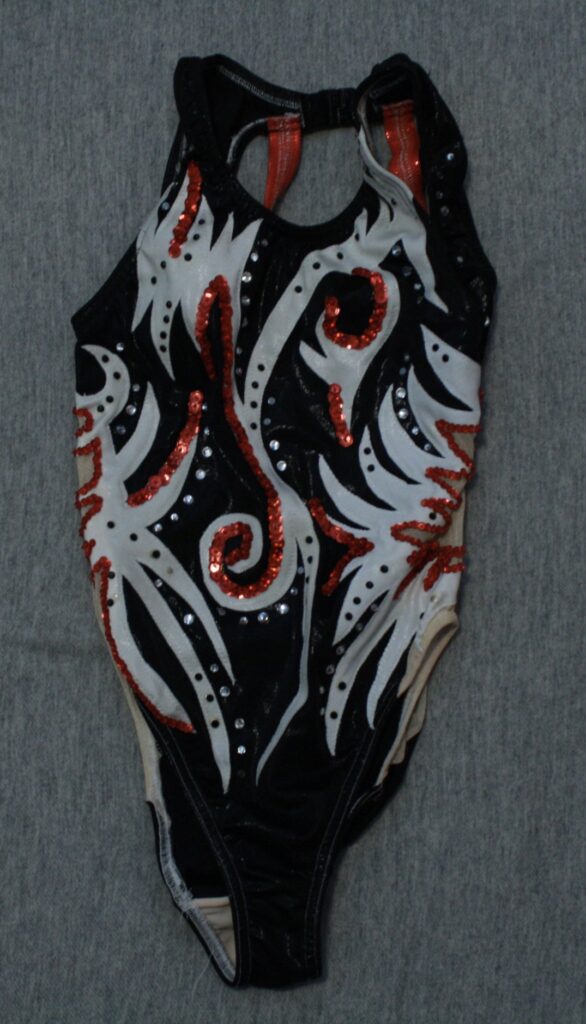
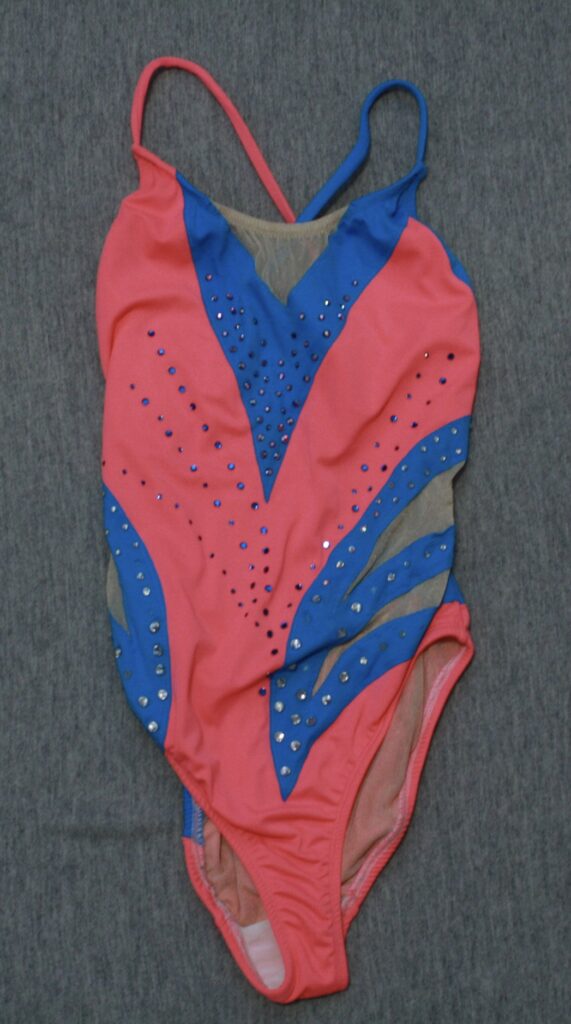
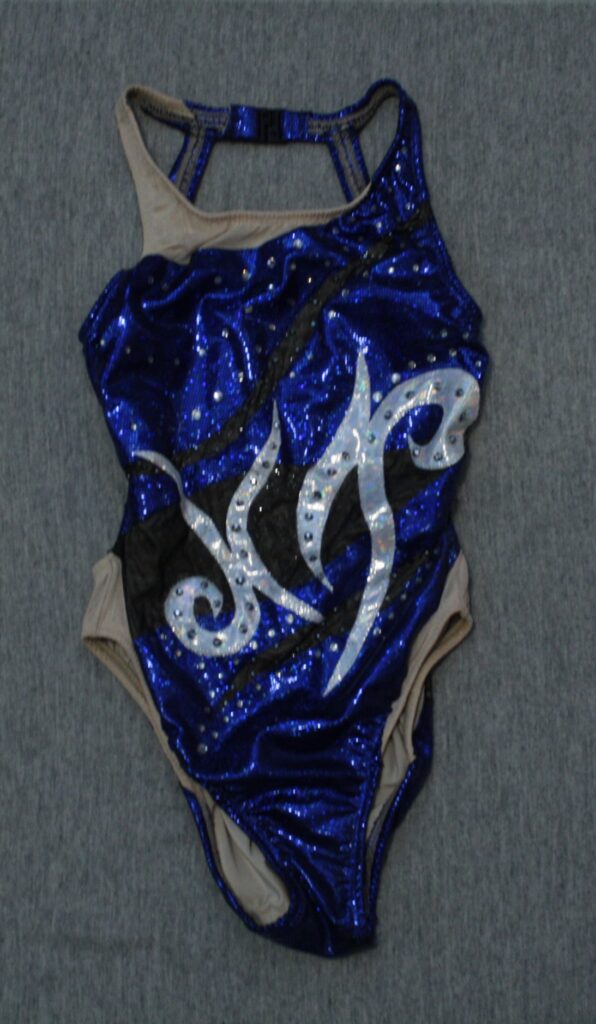
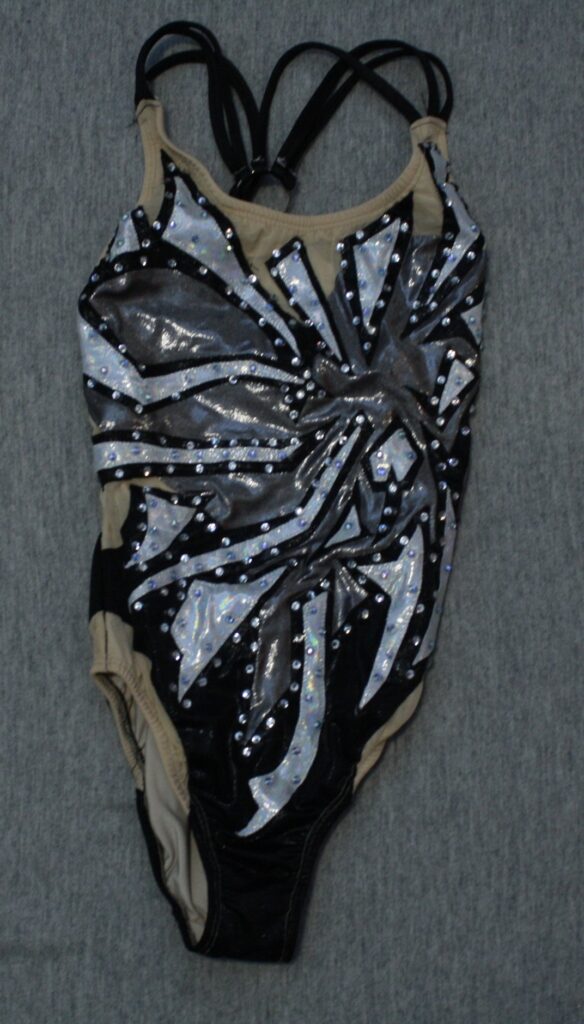
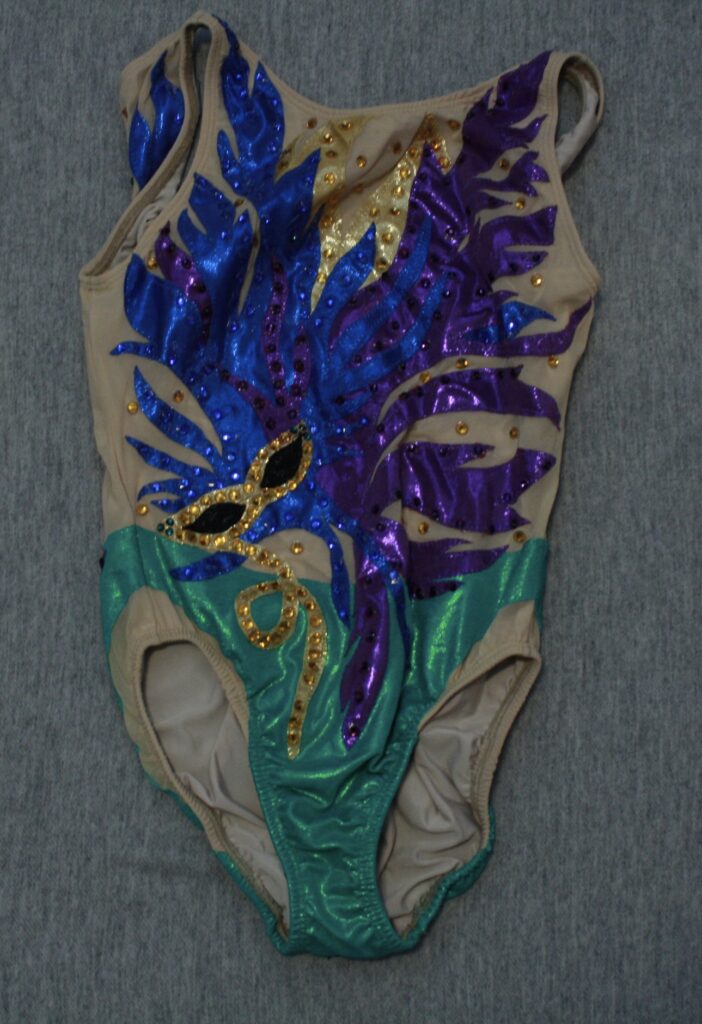
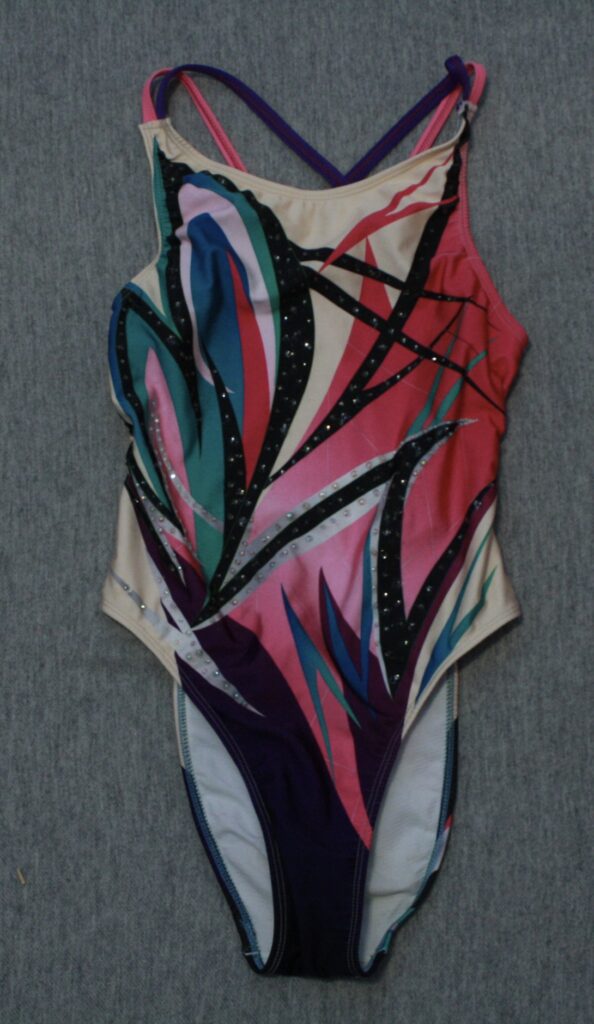
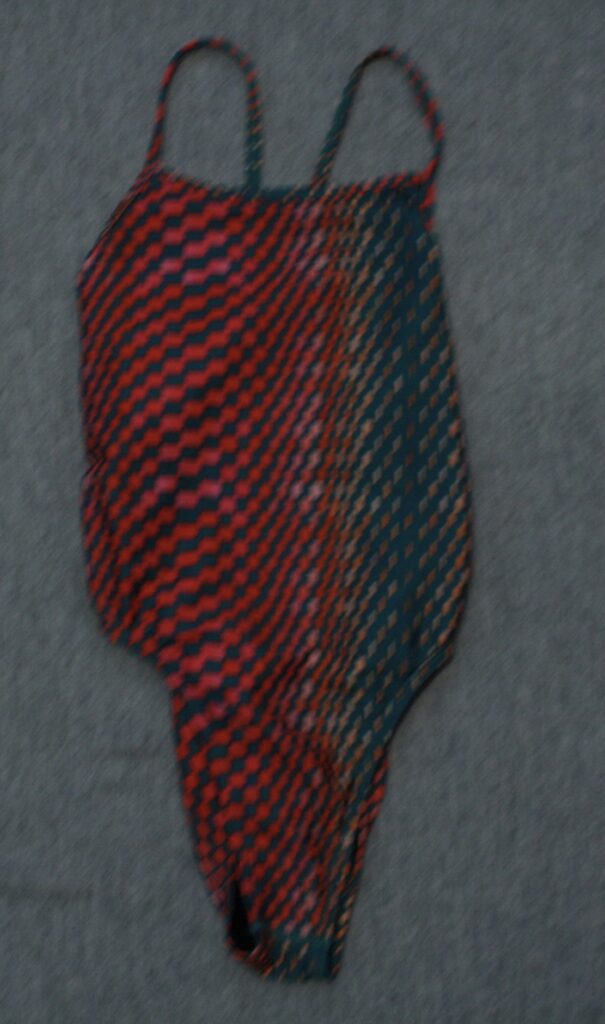
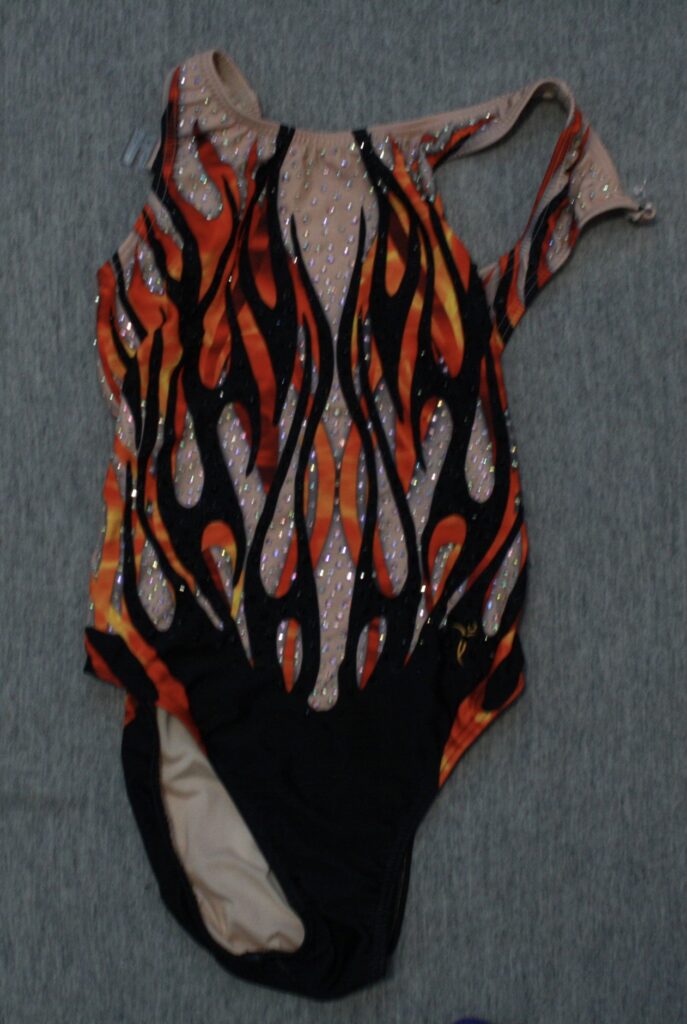
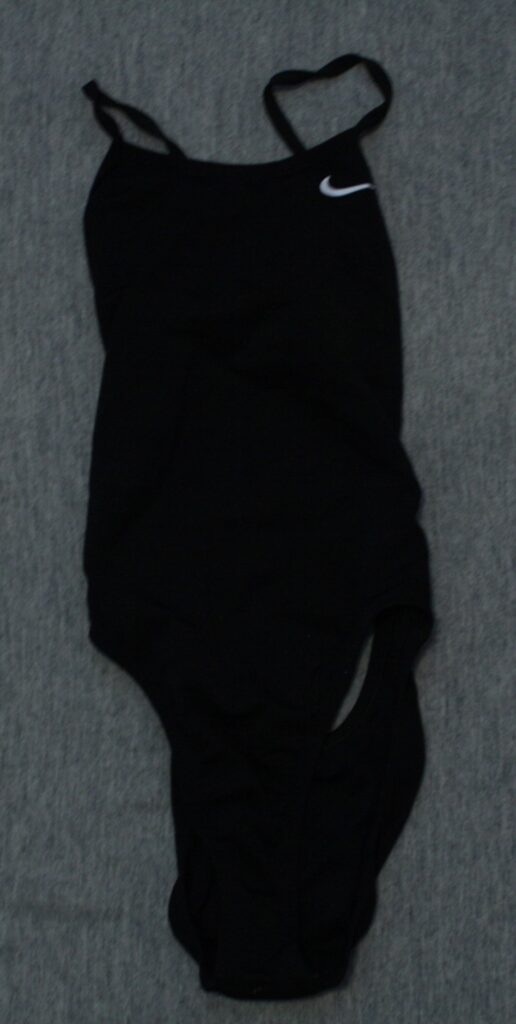
This piece presents eighteen bathing suits, each one representing a routine performed over the course of my life since the age of eight. Together, they represent how I have grown not only as an athlete but as a person. Synchro has always been an outlet for me, and as I’ve grown older, I have gained so much from it. I have learned to be a team player and a leader; people around me have noticed how much confidence I have gained through this sport, not only in the water but outside of it. It has helped me overcome so much in my life, and I have made so many lifelong connections through it. Growing up, this has been such a big part of my identity, and although it always will be, life starts to get in the way, and it loses its priority. The idea of losing this sport is something I have always struggled with and something i still struggle with greatly. Over the last few years, I have grown into a leadership role on the team, managing it from behind the scenes as president, turning it more into a job than an outlet. I wanted this piece to be symbolic of that, when something that you have invested so much time into begins to lose its focus in your life. Each suit is arranged in order of when I swam the routine, ending with a plain black suit. I did this because the black suit is a constant in synchro. Each year, we were required to have one, and though it is the least impressive of the bunch, it is the one I am most familiar with. By taking away the bright colours and gems, it creates a sort of cut-off and blandness. In a gallery setting, this piece would be displayed on which wall, with each suit hanging separately from one another.
This piece is really personal to me. It was really hard for me to make, and I found myself having to step away a few times to get my bearings. My grandfather has been sick for the last few years, and very recently it has gotten worse. He passed away on easter Sunday, and I wanted to tell a little bit about him and my grandma. My grandmother is a document-everything person who has kept numerous photos and letters over the years, all of which sit in my basement, and I enjoy going through them. For this project, I wanted to use those documents to create a display that tells their story and what they mean to me as grandparents. When they were younger and first dating, my grandma went abroad for her work as a nurse, and my grandfather wrote letters to her, beginning every one with hello, my miss everything, which I included in his handwriting. After every letter, he would write P.S. I love you along with several other little notes. I purposely didn’t include most of the letters because they’re very personal to my family. Something that was really important for me was the page of my grandfather and me where I’m cut out, and inside it was written, ” You get more beautiful every time I see you, because that was something my grandfather used to say to me every time I would see him and it is something very important and personal to me.