Turning the Gestures of Everyday Life Into Art – The New York Times
Katja Heitmann’s Motus Mori is a really interesting way of thinking about how we can “save” human experiences. Instead of collecting photos or videos, she collects the small, personal ways people move the little things like how someone walks, fidgets, sleeps, kisses, or stands. These small habits say a lot about who we are, even if we don’t notice them.
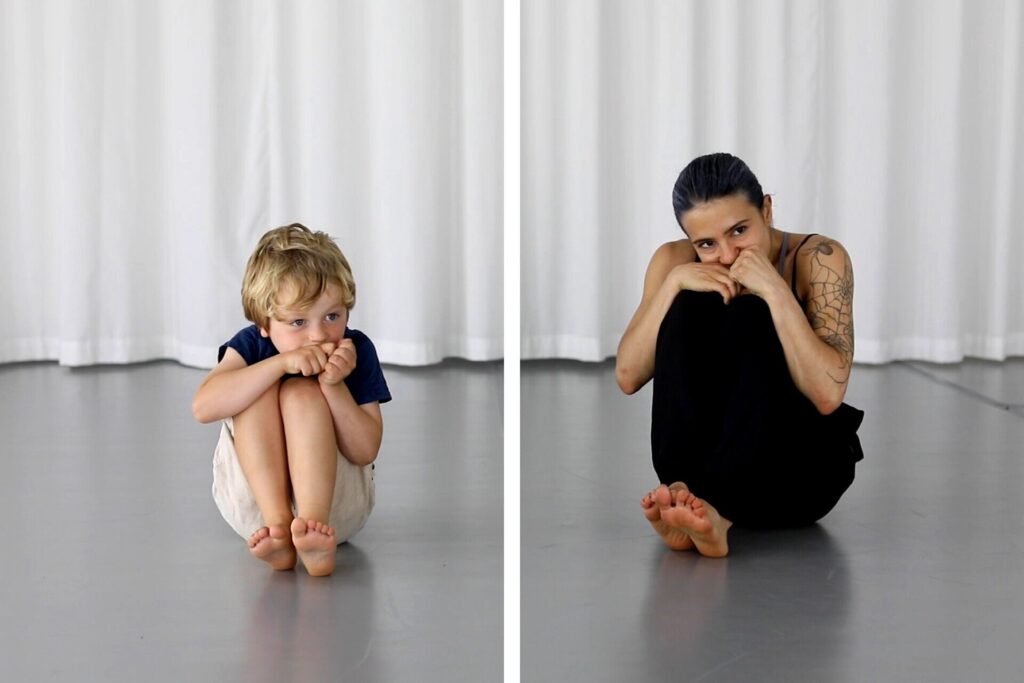
Since 2019, Heitmann has asked people to “donate” their gestures to her living archive. Over a thousand people have shared their movements, which are now kept alive not through recordings, but through dancers who memorize and perform them. The dancers basically become the archive.
This is really hard to keep up with because nothing is written down or filmed, if a dancer forgets a movement or leaves the project, that gesture disappears. The dancers have to constantly train to keep every movement in their muscle memory. Some even say that carrying other people’s habits can affect their own lives. One dancer said she woke up in a fetal position that she realized came from a woman she had once interviewed.
But there’s something beautiful about it too. The project reminds us to notice the tiny details we usually overlook like how someone tilts their head or moves their hands. In a world obsessed with screens and data, this work honors the small, real moments that make each person unique.
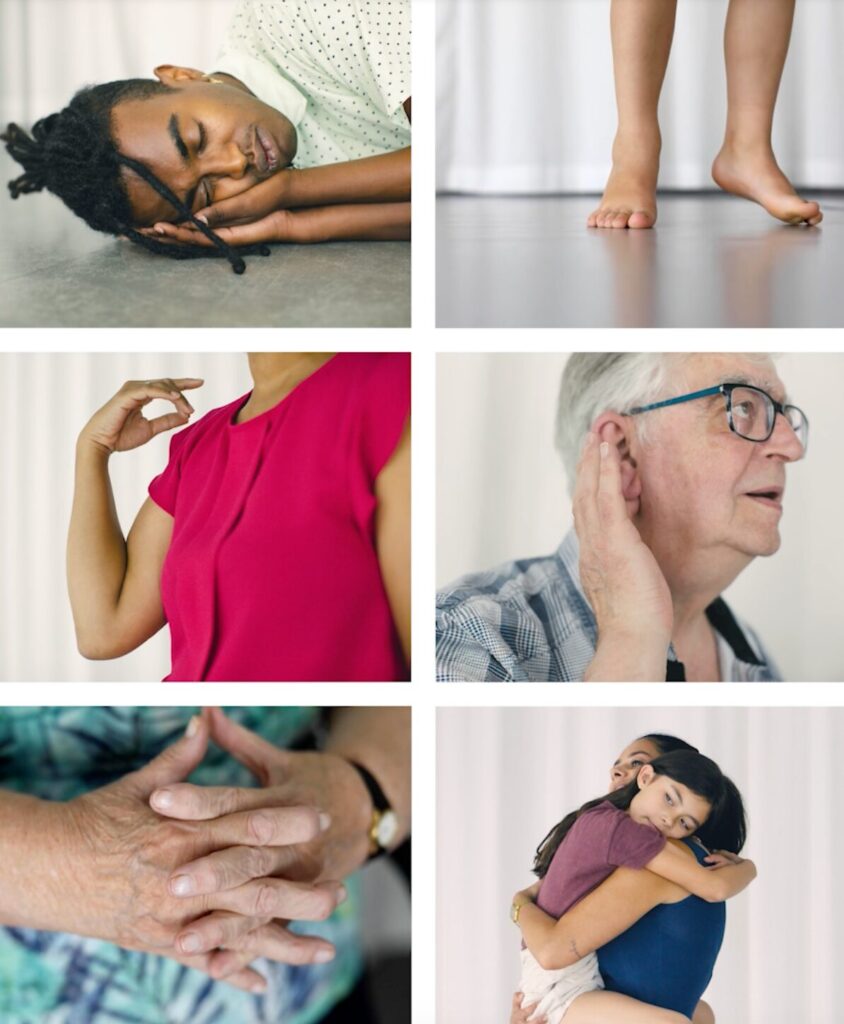
One gesture that really stood out to me was Ranti Tjan’s hidden thumbs. A dancer noticed he always pressed his thumbs flat against his palms, something he’d never realized. It was a subtle way of making himself smaller. After learning this, he started doing the opposite like wearing a bright yellow jacket to be more visible. It’s amazing how one tiny habit can say so much about how someone sees themselves.
Another one was Chandra Merx’s eyebrow lift. She raises her eyebrows not just when she’s surprised, but also when she’s thinking hard or rushing. That small movement shows how emotion and thought can mix together in the body.
I also liked Mahat Arab’s anxiety hands. He used to crack his knuckles whenever he was stressed, but through the project, he started to see it as part of who he is not something to fix, but something that belongs to him.
My boyfriend bounces his leg when he’s anxious or overwhelmed. It’s his way of letting out tension when he feels stuck or stressed. He doesn’t say anything, but the movement shows what he’s feeling inside. It’s quiet, but it means a lot.
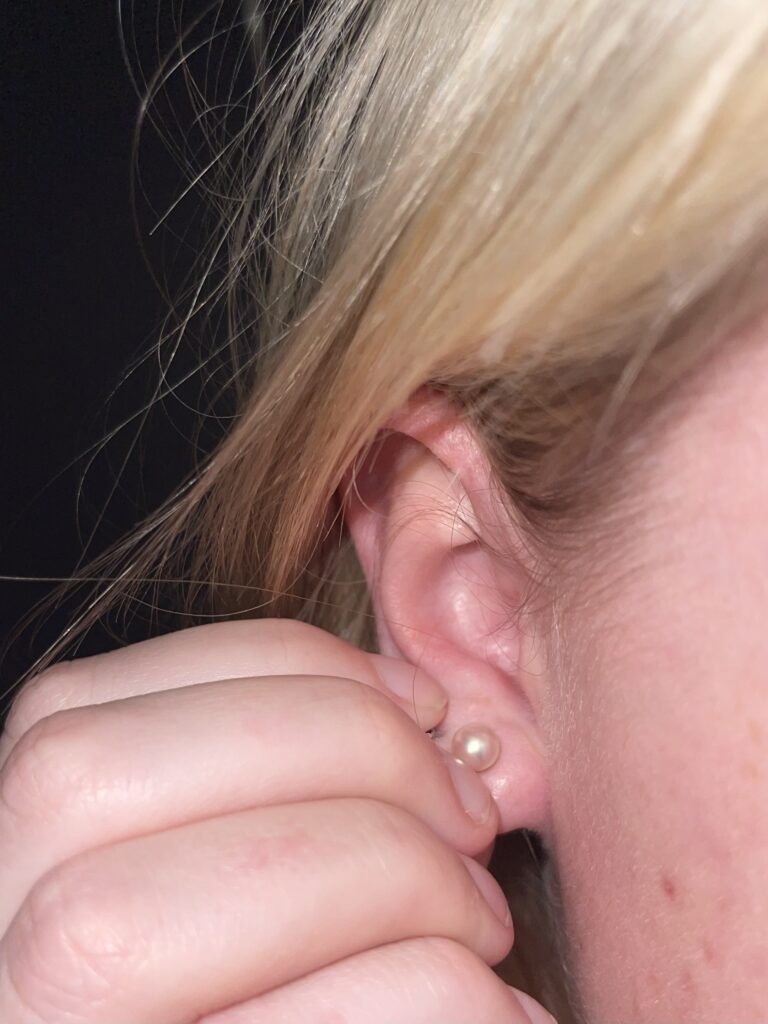
My roommate always touches her earrings or plays with her necklace when she’s talking to people. It’s gentle and repetitive, almost calming. I think it helps her stay grounded in social situations. Her movements are soft and kind of graceful, like they match her personality.
For me, I tend to push my right shoulder back without thinking about it a habit from my volleyball days. My shoulder blade clicks when I do it. It’s not emotional, but it’s personal. It’s like my body still remembers that part of my life, even though I’ve moved on.
All these small movements whether they come from stress, habit, or memory say a lot about us. They’re like physical fingerprints, showing who we are and what we’ve been through. In Heitmann’s project, these gestures become art. In real life, they’re reminders of our individuality
Leave a Reply
You must be logged in to post a comment.