Kilometer In The Making
An abstracted depiction of the creation of the Kilometer during the Late 1700’s.
I was inspired by the history of the metric system and the lengths scientists went to when creating the metric system. They were so focused on rational, calculating precision that it boarders on absurd. I wanted to capture that essence with this piece.
Reflecting on Marina Abramovic
Question 2
Abramovic’s approach to performance art places a specific distinction between performance & acting. From what I have seen the two key factors that make this difference are impermanence and audience participation
In the case of the latter, Abramovic’s performances are reliant on the audience’s physical presence to get the most effect. The intimate nature of the performances, and the often graphic content they depict, is most impactful when in the same room as the performer. When viewed from afar, like by video, the performance loses some of that vulnerability. The personal experience of being in the same room as the performance is lost.
With the former, there’s an aspect of ephemerality to performance. Even plays are still reprinted and re-enacted over and over again. Shakespeare’s works have been redone, remade and retold for centuries now. But because Marina Abramovic’s performances are so specifically tied to her there’s no way to recreate them as they were. She becomes an inseparable part of the piece, and once she moves on it can never be made again.
Question 3
Abramovic’s philosophy when it comes to resisting the commodification of her art is interesting because I find it to be a somewhat flawed approach.
It’s effective when considering the commodification of art within the realms of reproduction and redistribution. You can’t “sell” physical media based off her performances, not in the same way something like a show or a novel might have merchandise. Any media created based on a work of hers is only valuable in its connection to that original performance. This reliance on the source material makes it difficult to market physical merchandise to someone who doesn’t already know about the performance. It also cant be syndicated. You can’t make a “sequel” to a performance like you could a play or a film.
Where this approach becomes ineffective is that it changes the selling point of a Marina Abramovic performance, to Maria Abramovic. She becomes the selling point of the piece, effectively becoming a kind of celebrity. Abramovic in particular falls into this mold because how central she is to each performance. This conflicts with Abramovic’s own philosophy that “Artists should not be Idols.” In many ways her art has become iconic because of her, whether she wants that to be the case or not.
In my mind, Marina has succeeded in stopping her individual performances from becoming commodities, but has unintentionally become a brand herself.
The Feat of Getting Ready – Group video project
Audio Project, Shorter Cut
This audio drawn from the famous comedy sketch of who’s on first. Each note musical style is made in an effort to replicate the tonality and mood of the original sketch, without any vocals, aiming replicate the elements of conversation through instrumentation.
This version of the track is slightly incomplete. I plan to extend it to around a minute later, as well as refine some of the melodic elements to make it more “musical.”
Reference audio:
Above is the original audio of the sketch for comparison.
The audio below is the longer version of the track, extended out to include some more instrumental accompaniment and build off the shorter version.
This version is meant to have the two conflicting piano’s “argument” escalate as the song progresses, eventually becoming so intense that it becomes hard to separate the two. Eventually the song peters out in a bit of an anti-climax which I figured was appropriate given the source material.
Audio Project, Longer Cut
One other thing I was considering, thanks to some advice from Prof. Wilson, was finding a transcript of the original sketch and having a TTS program read it out. That way I could have two versions of the sketch operating in opposite extremes. One that conveyed exclusively emotionality and tone, and another that was completely literal and emotionless.
The issue I ended up running into that delayed that process was an aspect of how the original “Who’s on first” sketch was made. Abbott and Costello played out that sketch multiple times, and as a result multiple different versions of the script exist with various minor differences between them. While these differences are generally small they can change the flow and pace of the sketch as it goes on, making it difficult to find a version that matches the rough speed of my audio.
If I’m going to include a TTS version, I’ll likely have to write a manual transcript based off of the audio clip I used as a reference. Not the end of the world but still a bit time consuming.
Conceptual Portrait
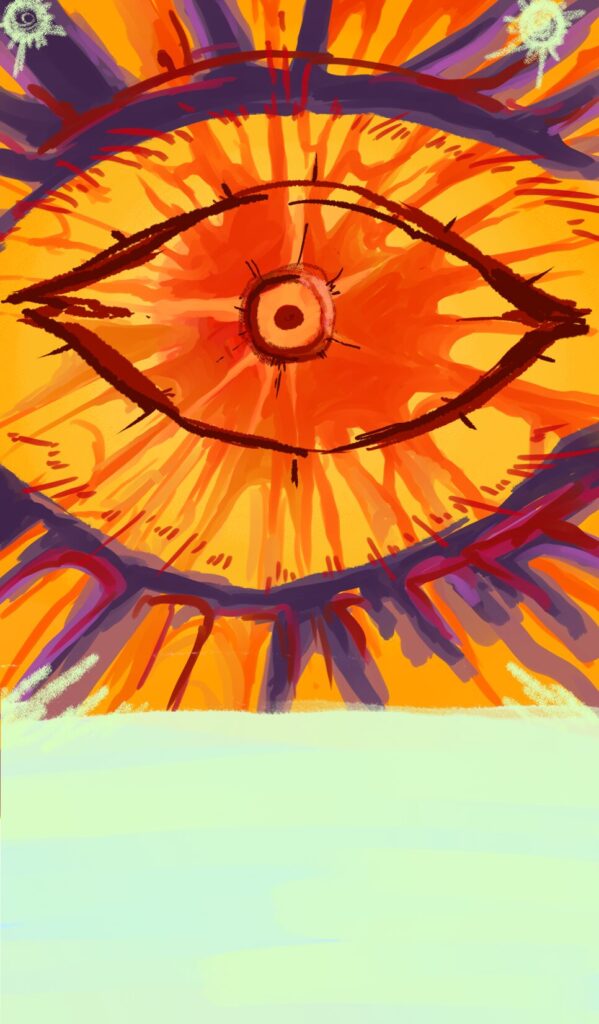
for this assignment I am making a deck of cards based on Tarot decks. Thats the simplest part, explaining the rest involves getting a little, well, conceptual. Theres a concept in psychology called intra-family systems. the idea us that your mind is composed of multiple different perspectives or voices that all represent a different aspect of your identity and your needs. These voices then work together to produce your internal experience, often manifesting as an inner monologue. This inner monologue can be a singular voice or multiple, depending on the person.
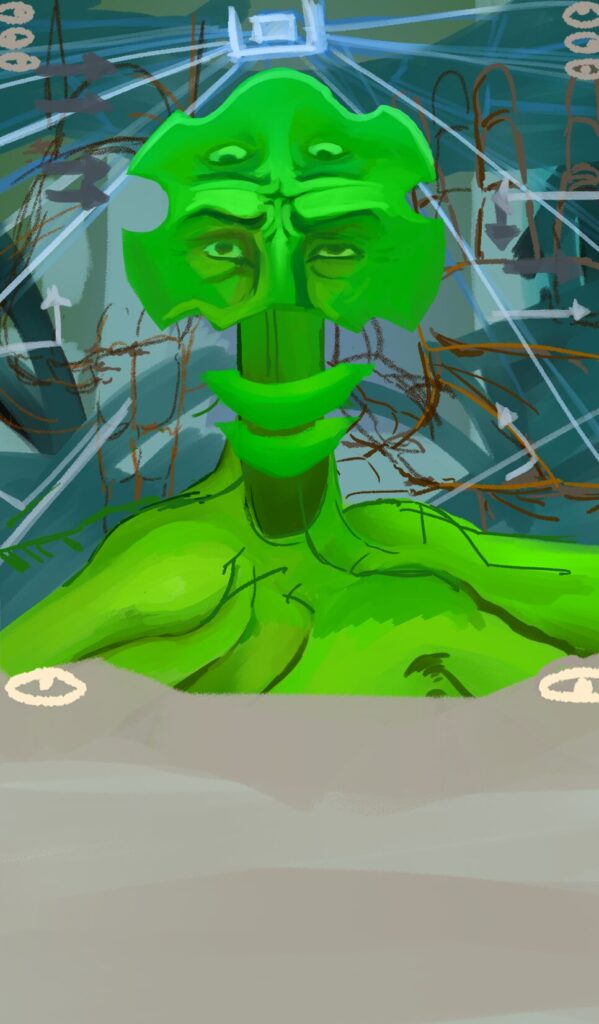
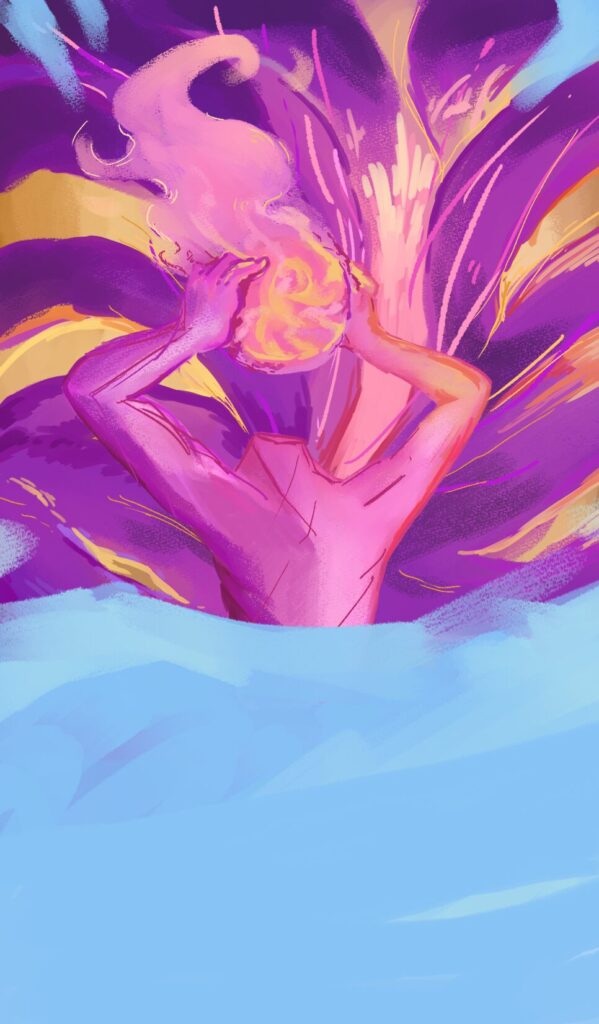
In my case I often think of my different thoughts as if they’re sourced from those differing perspectives. When I’m upset the aggitated voice speaks up, when I’m proud the egotist in me speaks up, etc. These cards are meant to represent some of the most common perspectives that arise for me. Their depictions are representative of how I visualize them.
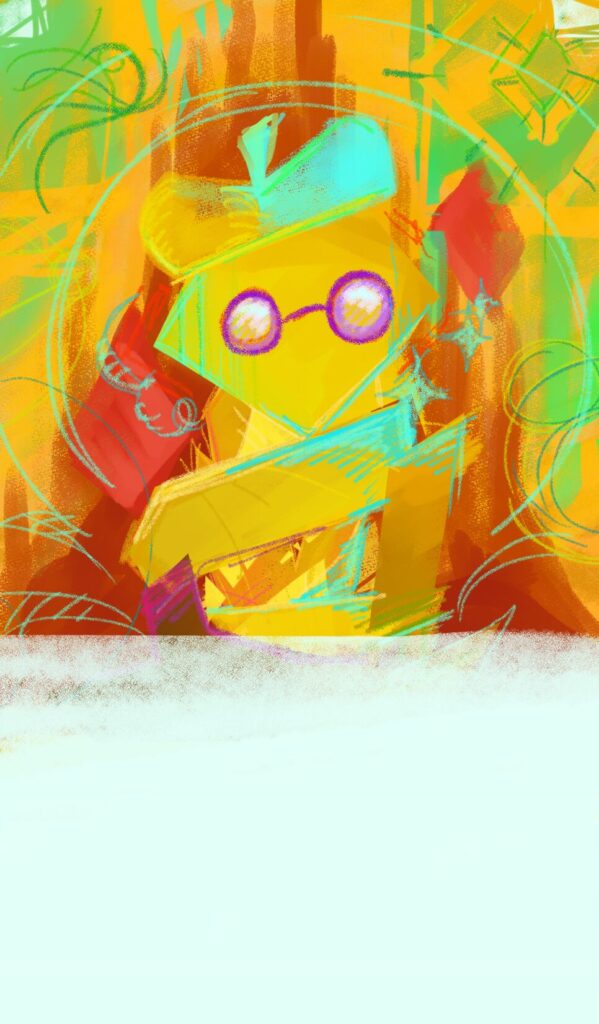
An example, using an unfinished version of The Director voice.
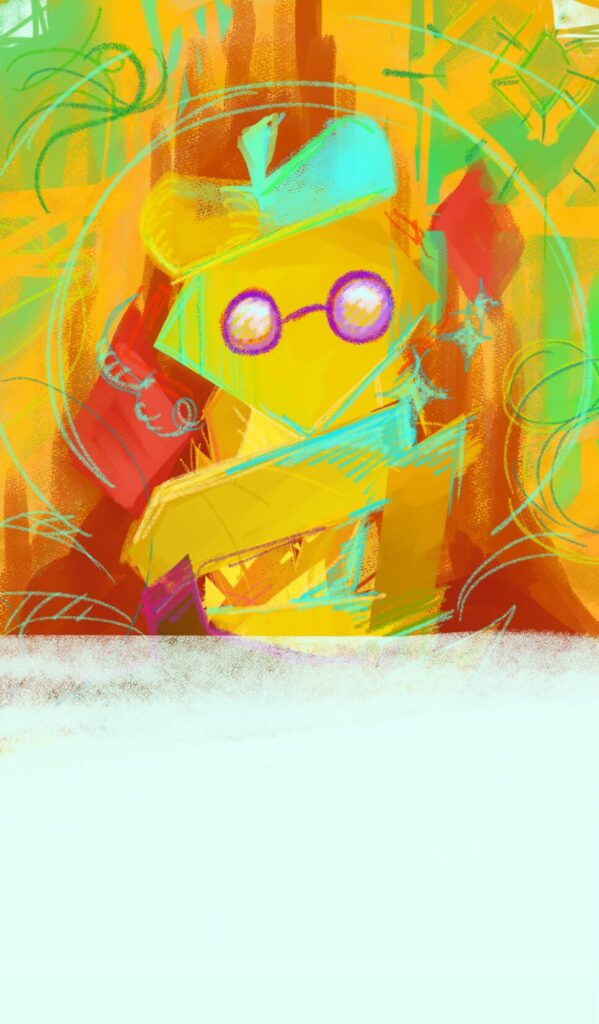
Each card represents an aspect of me, with the deck representing the totality. I wanted to represent how our understanding of someone can be limited by our perspective, we’re never able to read someones mind, to know them with absolute certainty. So the best we can do is learn about their various seperate components, and try to understand them as best we can, regardless of how strange or hard to grasp they might be. This project is also a bit nerve-wracking for me personally as its, by design, all about being very open and vulnerable which I cant help but be a little nervous about. Never the less I think the concept is a good way to conceptualize the interiority of who someone is rather than the limited perspective of their physical appeareance.
I personally believe that each person contains infinite potential multitudes and I hope to use this project as a way to explore that.
Below is a collection of the final versions of each card, though without text unfortunately.


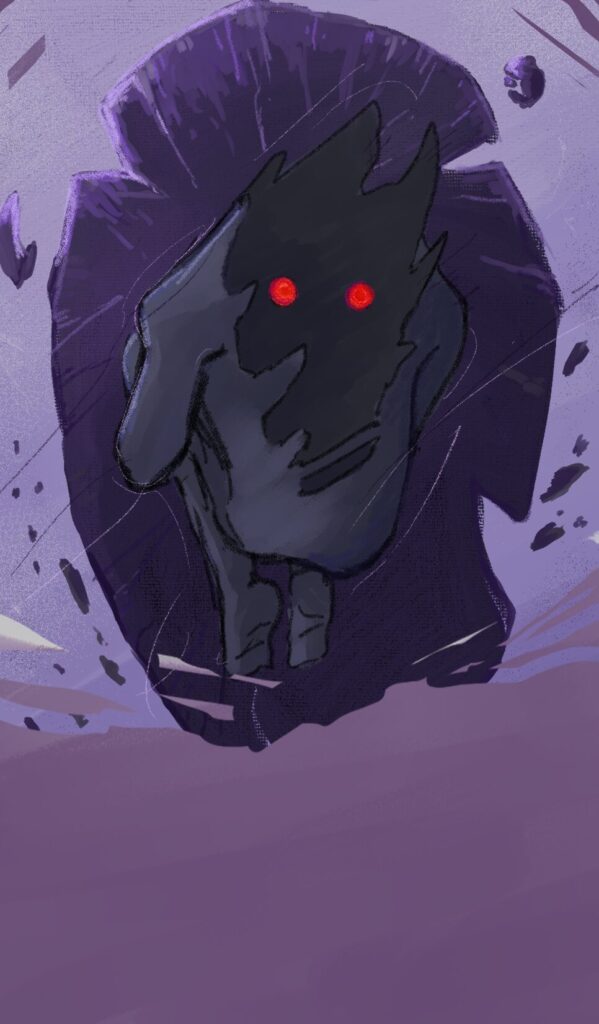
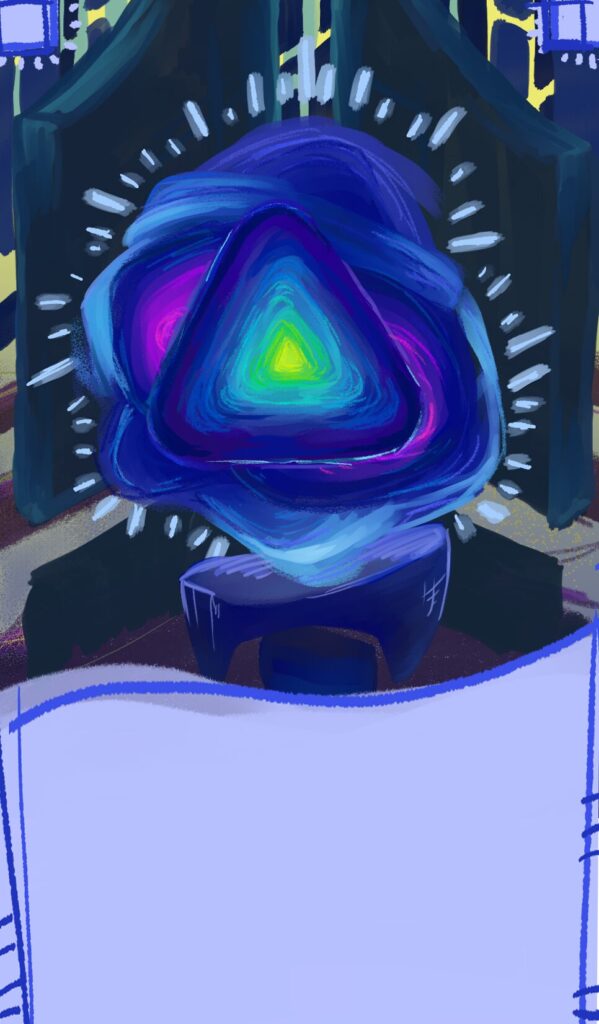
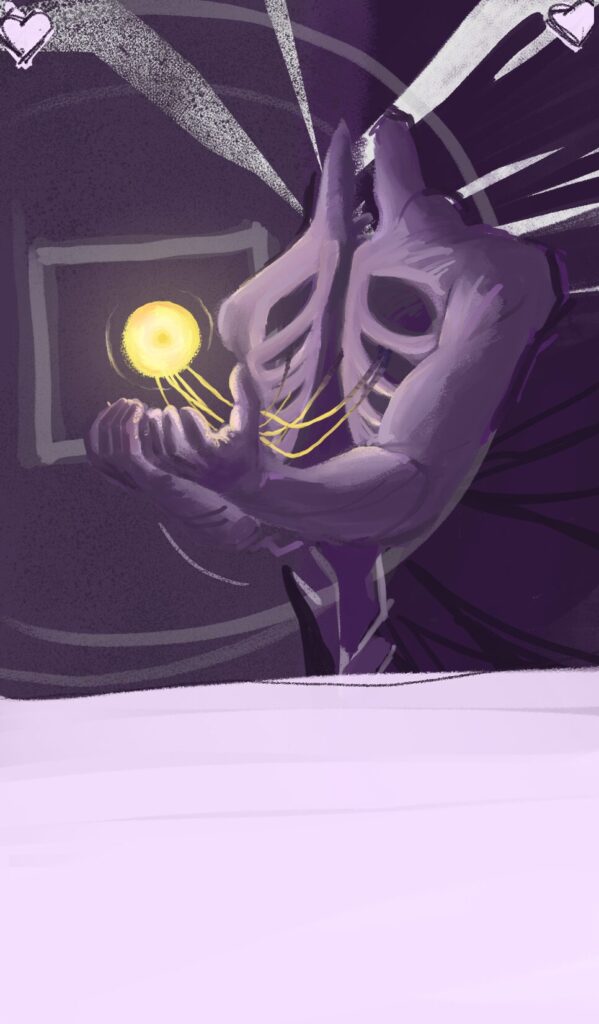
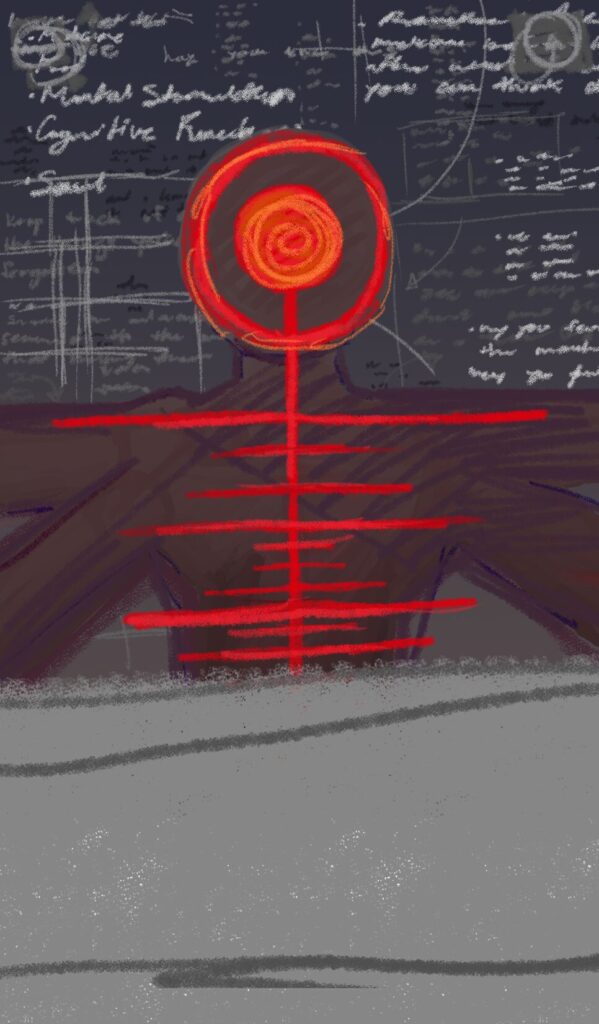

Zine idea
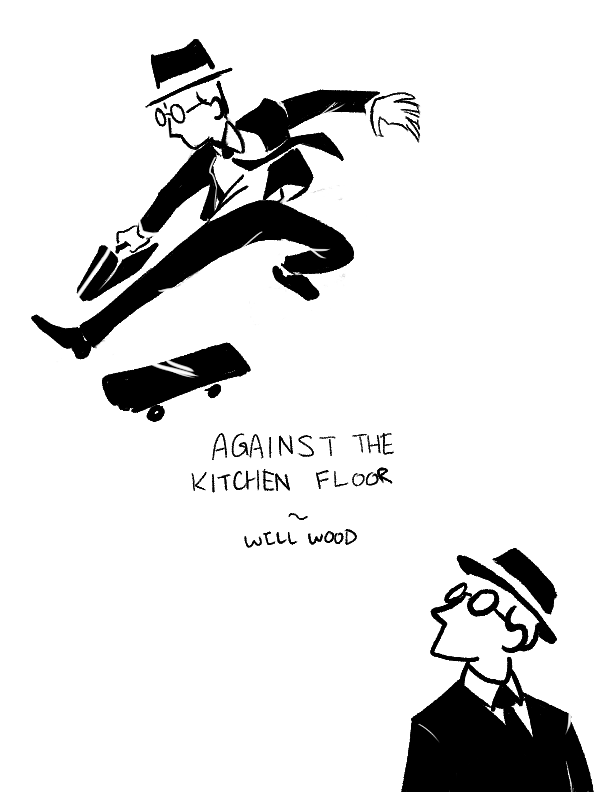
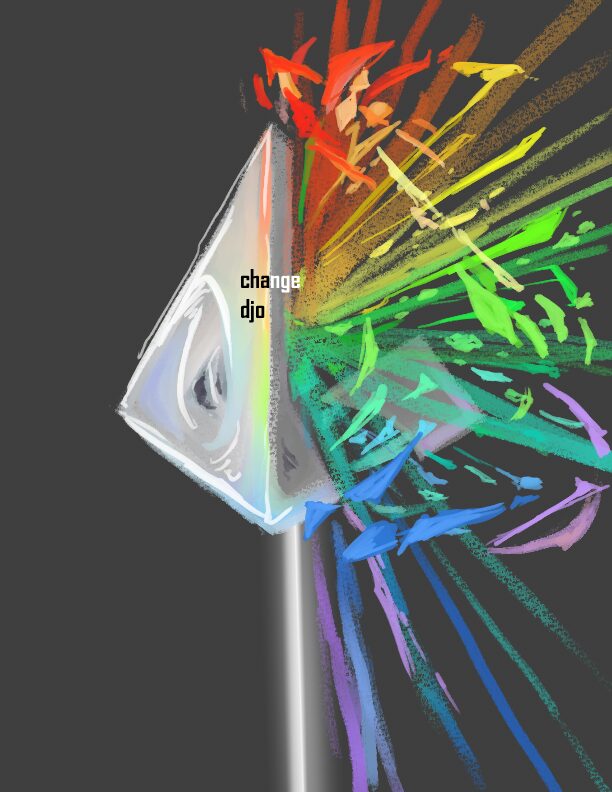
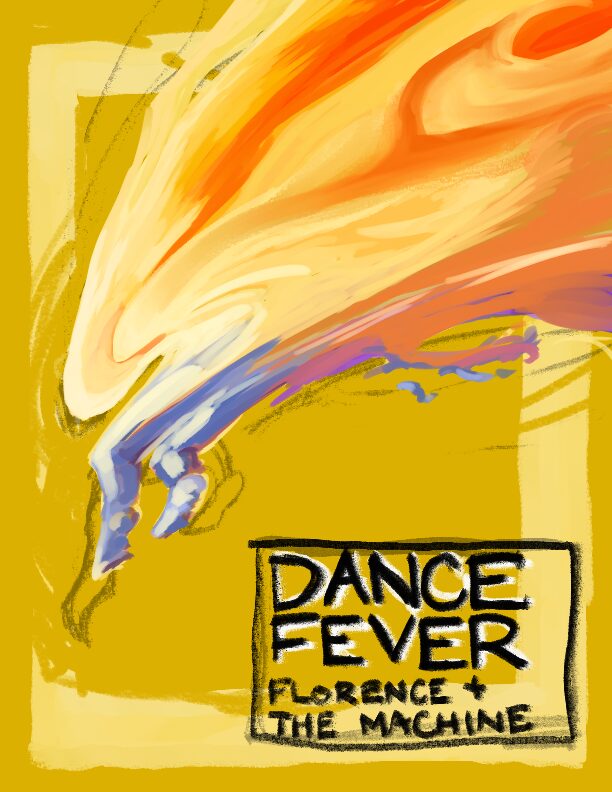
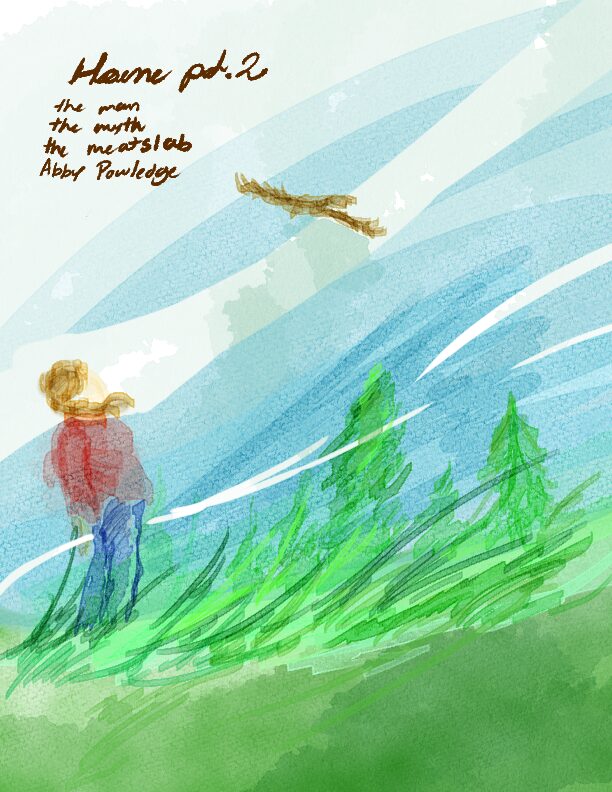
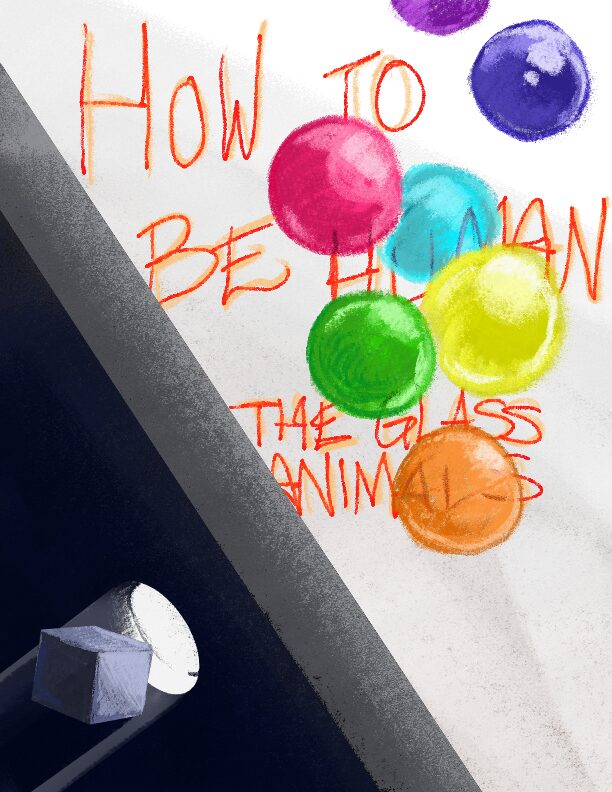
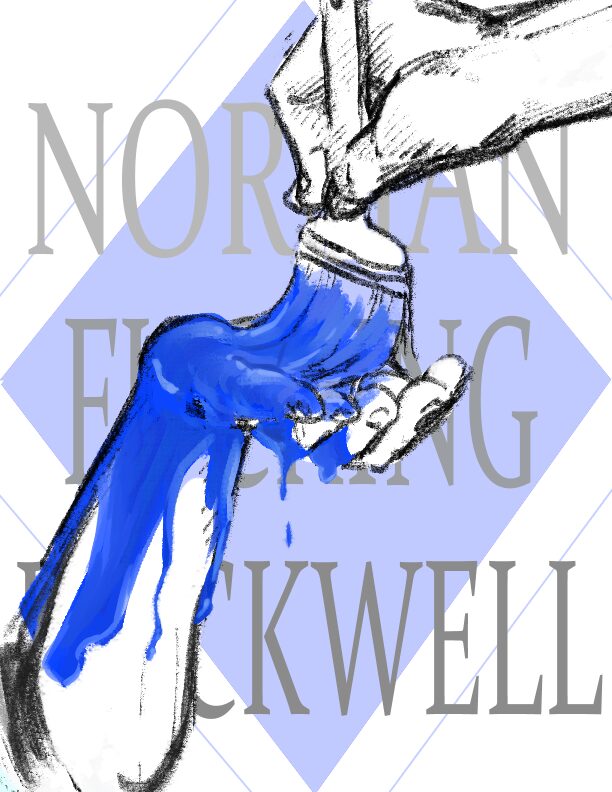
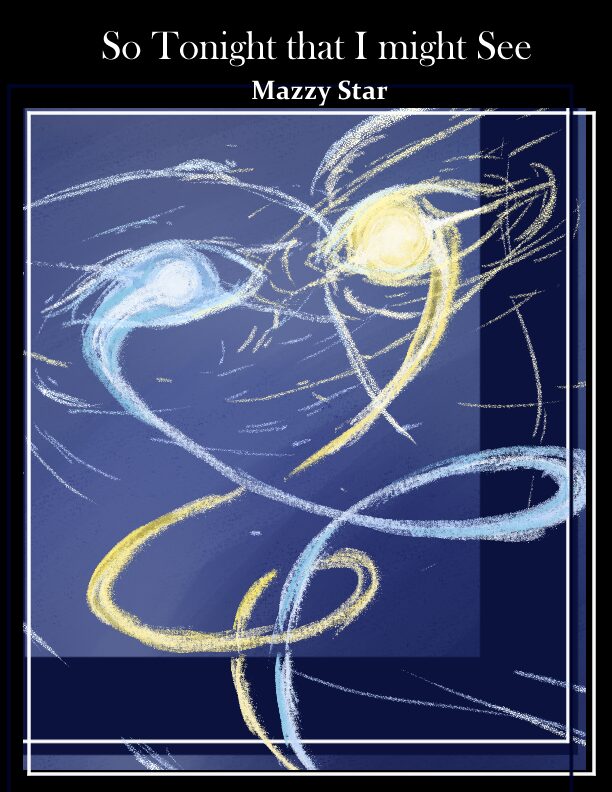
For the Zine, I had the idea to make a zine made of custom cover art for various lesser known artists. each cover would be my own take on a cover for a particular artist or song. this way the zine can act as a counter-archive for music and songs that might not get as much attention from the broader industry.
The only issue I’ve found is there are only so many bands and artists that I know of, so I’d like to ask around the class for any recommendation’s people have. I’m look for songs that are made by lesser known artists and/or songs that are important to people personally.
In the end I ended up selecting 7 songs & albums, based on feedback from everyone in class as well as some of my friends and family. I tried to include as many as possible, especially songs that were mentioned by multiple people. I made these covers while listening to those very song!
Leave a Reply
You must be logged in to post a comment.