About Me!

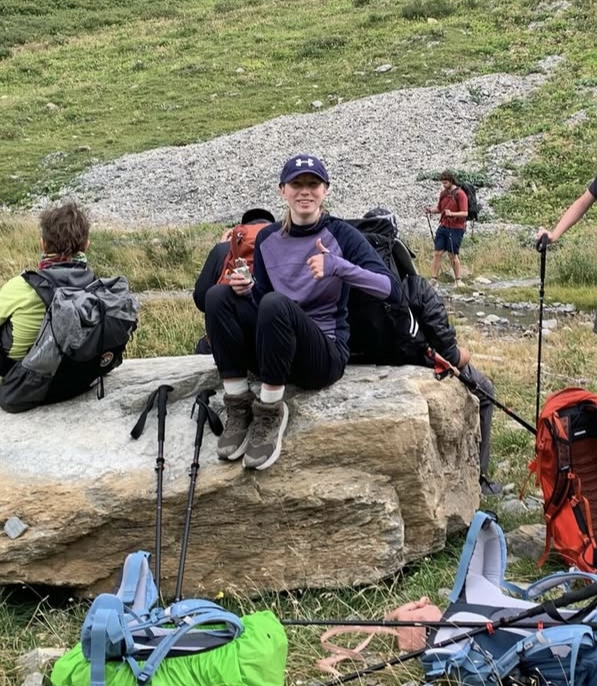
Hello! I am in my third year in the studio arts program at the University of Guelph, and my main focus is painting. I grew up surrounded by art; my family was divided 50/50, half engineers, half artists, but I didn’t start taking my art seriously until the lockdown. My high school art teacher really encouraged this path for me, and I have stuck with it. Outside of art, I really enjoy swimming and hiking!
Walk a Kilometer In Someone Else’s Shoes

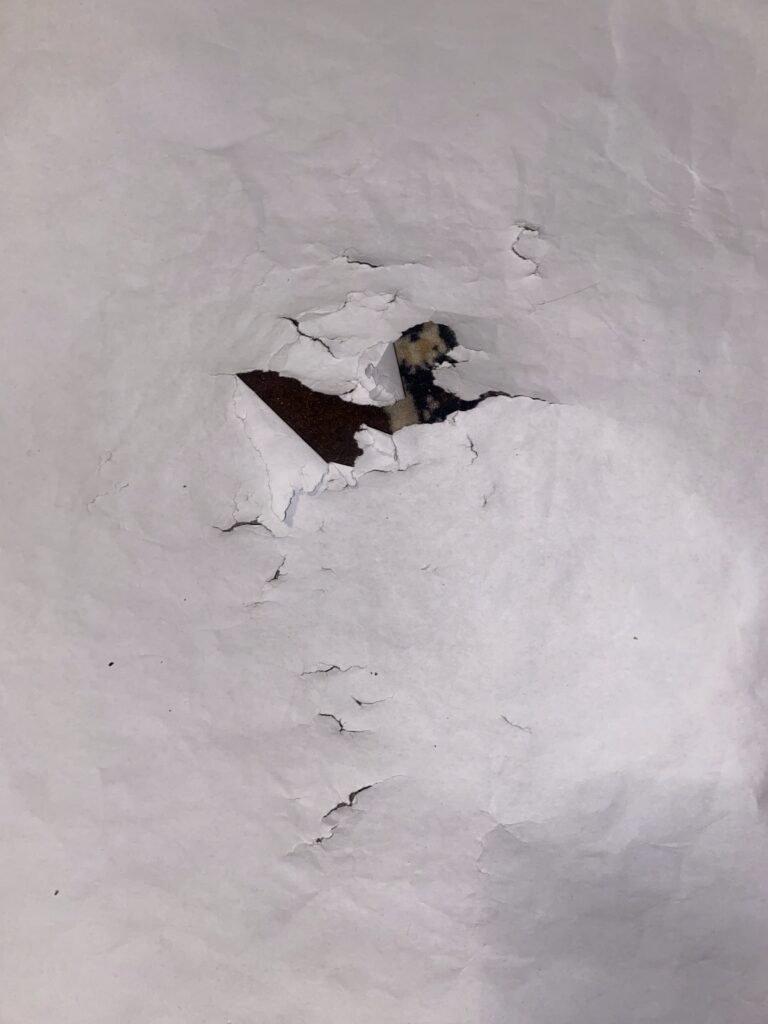
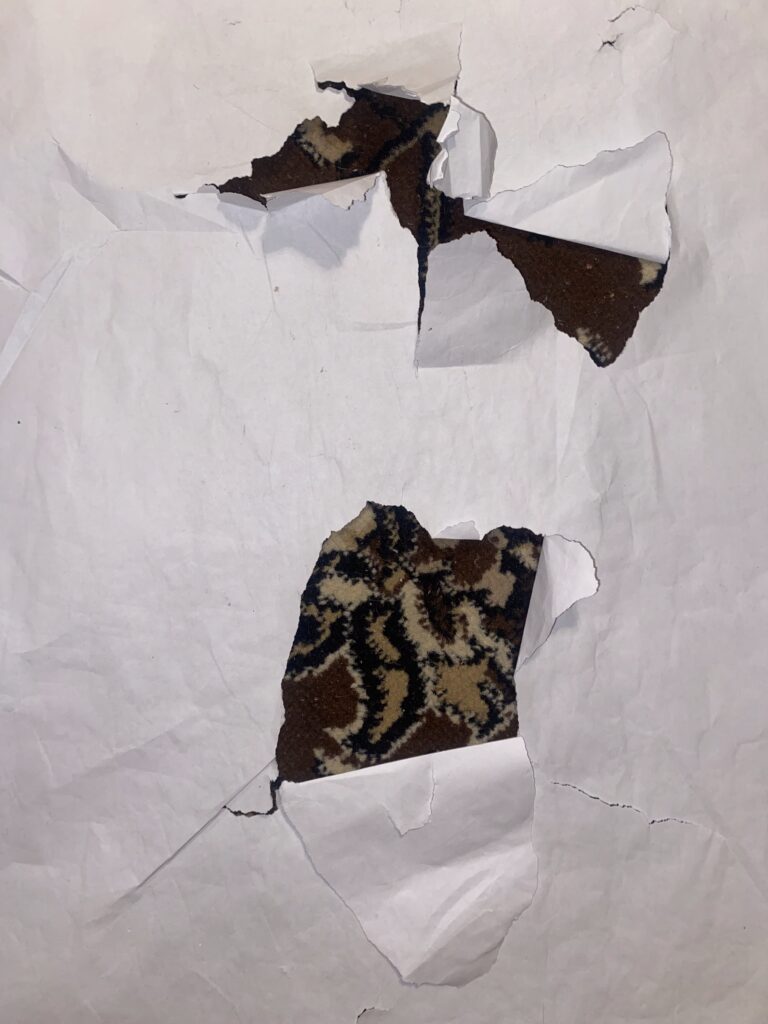
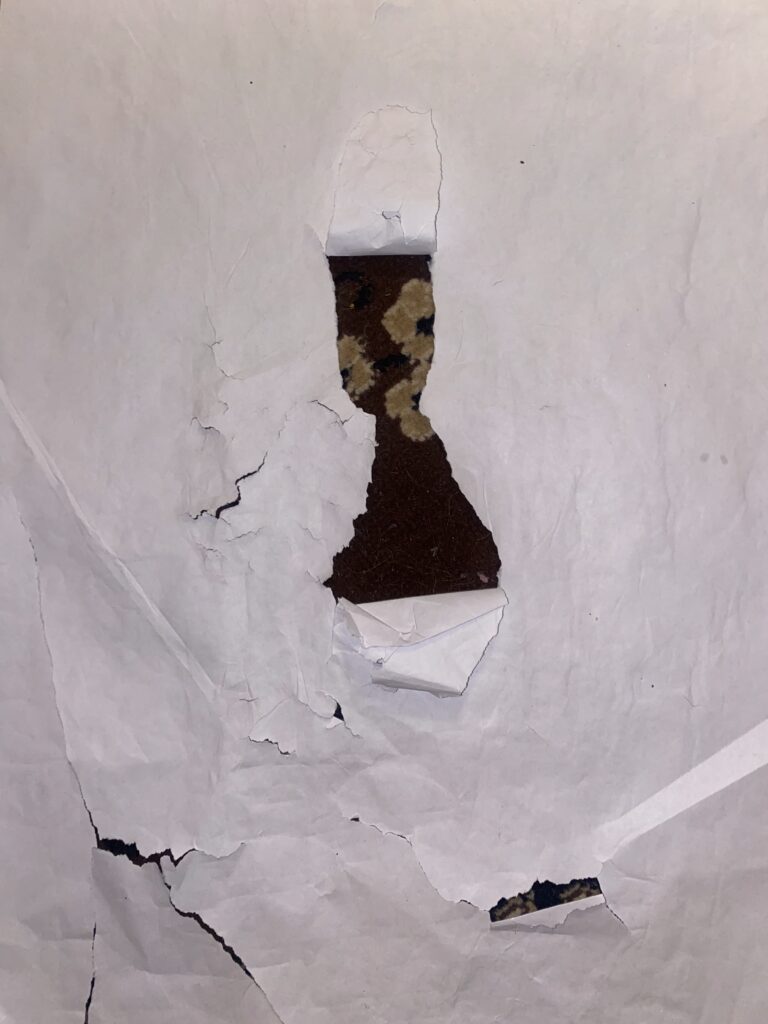
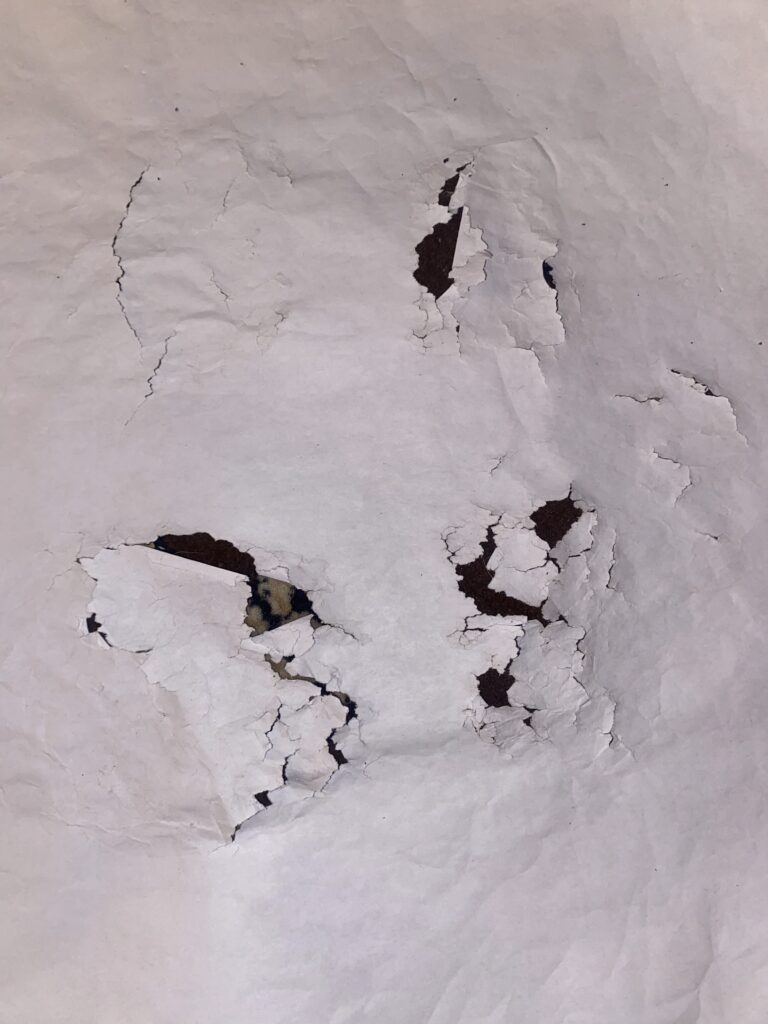
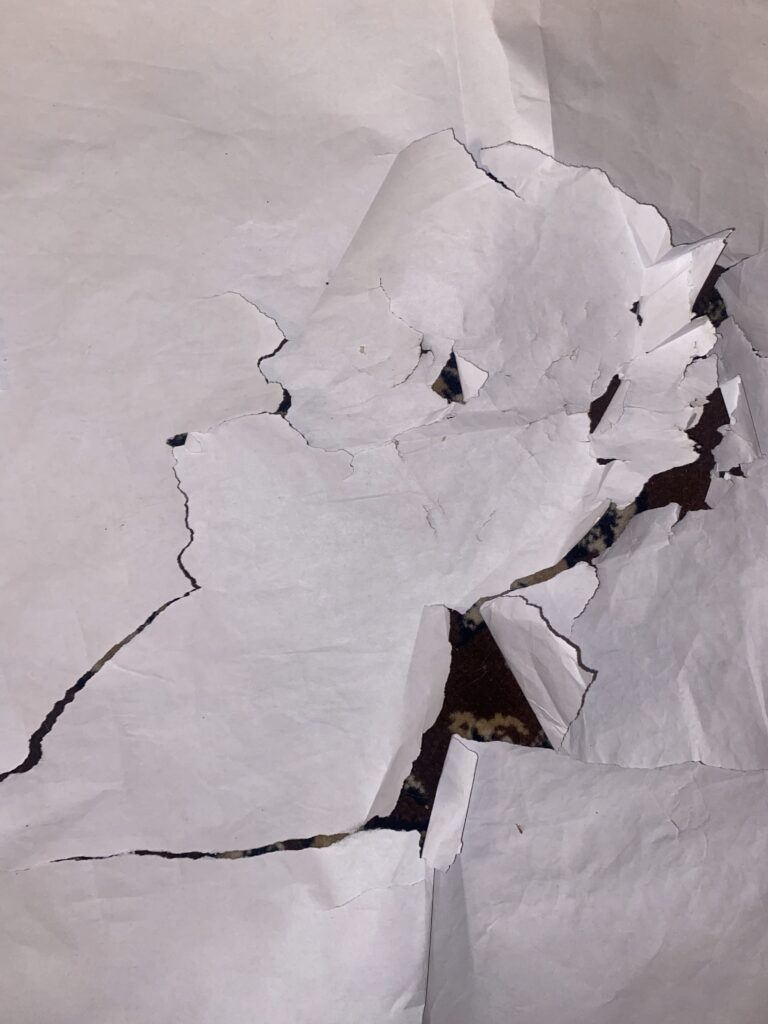
The act of “putting yourself in someone else’s shoes” means to experience things from their perspective and to learn about them. The way we walk is something so personal to us that isn’t often represented. There are many aspects that make an individual, the way we hold ourselves, the way we write, the way we express ourselves. Walking is a small part of that, one that is often overlooked. Each person has a different one, some drag their feet, some walk on their tiptoes, some favour one leg to another. The different shoes brought different conditions aswell. Some were muddy, some had a heel, some were only meant to be worn indoors. Each variation creates different marks which are reflected through the different rips and crinkles in the paper.

What’s the Rush?
Pretty
Animation
1. Describe the work discussed in the article and the unique challenges – as well as the unique gifts- that come with attempting to archive personal movements?
This article is about collecting people’s small, everyday movements, like cracking knuckles, raising eyebrows, or hiding their thumbs. Katja Heitmann believes these tiny gestures are part of what makes each person unique. Her project is called “Motus Mori,” which means “movement that is dying.” Instead of filming or writing the movements down, her dancers memorize them and perform them in slow dance shows. The project turns ordinary movements into art and helps preserve what makes each person different.
2. Discuss one or two examples of movements in the article – what strikes you about them?
1 that stood out to me in particular, was the older man. The older man is interesting to me because he is situated face to face with the younger woman in the other box, almost as if he is using her as a mirror. They are the only act situated towards each other as if they are looking at eachother. I find the parallel between their ages and genders interesting because it suggests they are different though similar. I also think the way he seems focused on his own movement while she watches him is interesting, it almost feels like the idea of surveillance, having your little habets watched and recorded by people.
3. Describe the habitual movements/unconscious gestures, tics etc. of 3 people you know well. How do individual body parts move, and how does the whole body interact? What about facial expressions, and emotional valence of the movement? How does body type inform the movement? What do these examples of small movements mean and imply?
Habitual movements are interesting because they are something I know very well about someone, but I’m not sure they know of themself. The first thing that comes to mind for me is my mom; she has a habit of tapping her nose when she figures something out, a habit I have adopted as I get older. If we’re doing a puzzle together and we figure something out, she will point at me, then tap her nose and point again. We asked her about it once, and she said she thinks of it like “I know it” which translates to ‘I nose it’ subconsciously. This movement always comes when she’s relaxed and happy, and is something my family associates with having fun. Another one that comes to mind is my girlfriend has a habit of twitching as she’s falling asleep. They only come in that moment between sleep and awake, and have become a measuring point for me to tell when she’s getting tired watching a movie or lying in bed. The minute she is fully asleep, they stop, but it is a sign of relaxation for her
Leave a Reply
You must be logged in to post a comment.