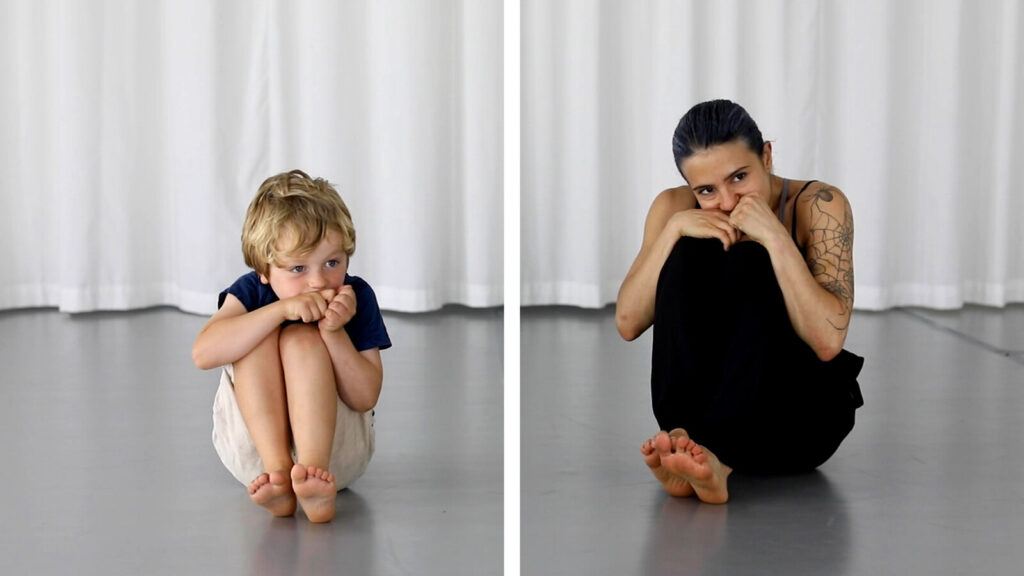
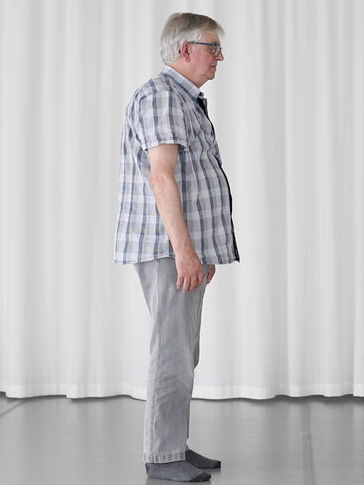
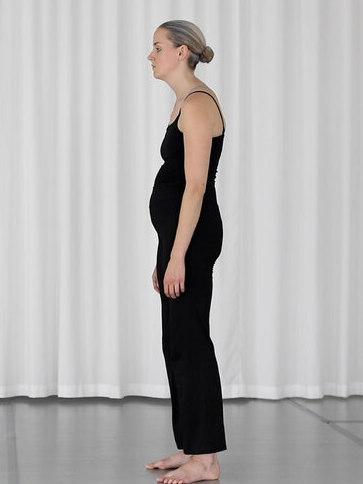
Katja Heitmann is a revolutionary when it comes to photography and performance details. The creator of “Mortis Mori” meaning “movement that is dying out” is focused on how different people preform the same action. How do actions separate us as individuals? For Heitmann, these tiny details are core to our personalities.
Heitmann had been collecting these movements for many years and observing. In 2019, she had posted a “donations” application, which allowed individuals to donate their unique gestures to her art. Now, she has collected over 1,000 movements; How people kiss, walk, hug, fidget, and act out gestures that complete their personalities. It is similar to other works that engaged with intimate gestures, such as those of Pina Bausch and Tyla Thwarp. But rather than admiring from a distance, Heitmann is actively working with participants to highlight gestures worth capturing.
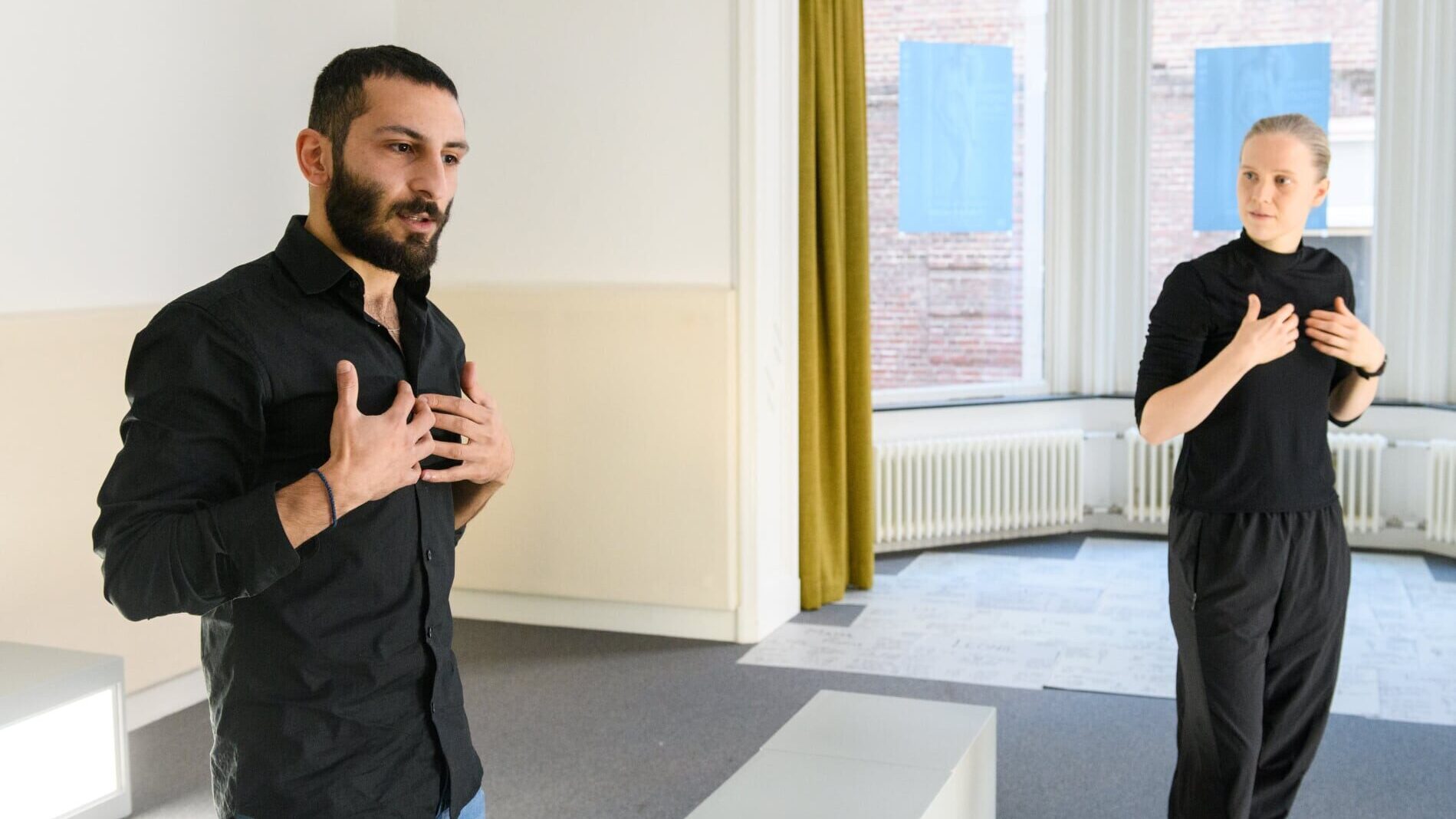
Within these interviews, it is natural for participants to want to preform well, but even within this their personal gestures are shown through. The private interviews take place in a lit space with a white background, which stimulates the environment of already being within an art exhibit. Once the interview is done, the dancers transcribe the movement with detail and intentionality, often sweating and visibly struggling to stay in the movement. To keep the archive alive, dancers do not stop the movements or get breaks.
UNIQUE GIFTS… This work is rooted in reviving the art of observation. By participating in the work, you are noticing rather than recording. Rather than movement getting lost in data, as Heitmann mentions, it is being honoured in a collective archive. In addition, it allows us to focus on the small, minimal parts of ourselves. With the media being so present constantly, it is easy to focus on a larger picture. Heitmann is forcing us to look at the details, the movements so tiny that even the orchestrator does not take notice. She notes the beauty in authenticity, and how all movement is good movement as long as it is authentically YOU.
UNIQUE CHALLENGES… There is a unique pressure for the dancers that are replicating the work. Their bodies alone are a specific archive of motions from all walks of life. If they were to lose the muscle memory, they would be setting the gesture free from the archive. This is a crucial piece, especially considering there are motions from individuals who have passed. Since there is not any physical recollecting of the performances, the gestures stay with the participants for their entire lives. Often, the movements, experiences, and traumas from the participants ingrained within the dancers. So much so that the gestures show within their personal lives.
“Berkhout, who works full-time as custodian of the collection, noticed that forgotten gestures sometimes resurface unexpectedly. One morning, she woke up in a fetal position, hands clasped between her knees, although she usually sleeps with her limbs stretched out in a line. The pose belonged to a Ghanaian woman in her 40s whom she had interviewed the year before. “That’s Dora,” she thought”
“If you pay close attention, you know that no two bodies move the same way,”
Katja Heitmann
There have also been movements donated from deceased loved ones that are also preformed by the dancers. A visual archive as a goodbye. Heitmann herself donated movements that she had noticed from her father, who had passed. His death had left her with only tax papers and government issued statements that he was required to keep, which painted a one sided picture of his life. By donating the movements, she was able to preserve him within the collective archive that is Mortis Mori CORPUS.
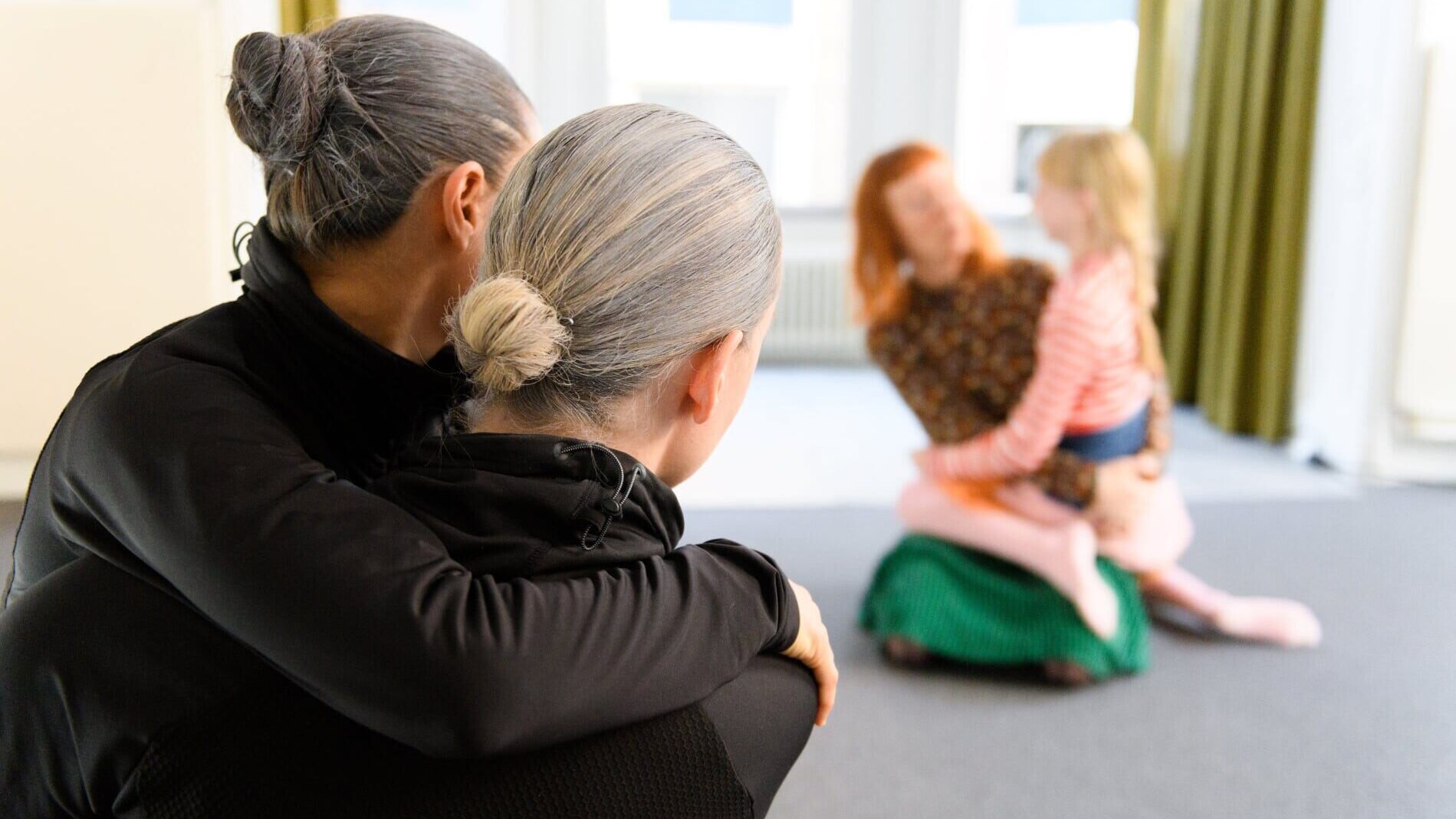
Mortis Mori CORPUS is an archival dance number that features a group of people raging between the ages of 20 to 86. The group preforms a dance number featuring all of the gestures that Katja has collected, a physical, combined archive of individual gestures. “They stage frequent, five-hour dance installations open to the public, where they act out the movements of hundreds of people. “The archive,” as one dancer put it, “is our bodies.”” Nothing is recorded or posted of these performances, just a singular post card per viewer.
Two movements that struck me personally were embracing and fidgeting. I have noticed the difference in embracement between people many times before, and I think it is something that people often notice. The difference between hugging someone taller than you or shorter than you, or hugging a coworker for the first time vs your sister that you have known for your whole life. Wether your arms go over or under theirs, the length of the embrace, the pulse of their chest against yours and how your hearts often sync up. I have always found myself as an observer of the detail of such an intimate movement.
For fidgeting, it has been the opposite. I often notice other people fidgeting, however I could not notice that within myself. I am fascinated by this movement because I also find this gesture very intimate, but in an entirely different way. Fidgeting, to me, is a coping mechanism, wether it is to cope with being nervous, being anxious, or simply the fear of being still. By having a dancer observe your constant movements for hours, I believe I could discover a lot of ways that I fidget without even realizing it, and that would lead to a deeper reflection than expected for such a miniature movement.
“In CORPUS, Katja Heitmann zooms in on the transfer of embodied knowledge to a communal body. In this embodied knowledge lies the basis for kinetic empathy. Because each person has their own specific body, this determines how you navigate your world. Your daily movements define your personality. Can you better understand others through experiencing their personal embodied knowledge?“
One of my close friends is constantly picking and gnawing at her lips. Wether she is doing it out of boredom, or stress, or overwhelm, I always notice her doing it. I can always tell when she is stressed or overwhelmed based off of when she is picking at her lip. In addition, sometimes she is picking at her lip and the rest of her face is numb, as if she is asleep. Maybe this movement is her way of disassociating during moments of overwhelm.
TOES FLEXED
Another one of my noticing is one of my friends always flexes her toes prior to falling asleep. She spreads her toes wide, and then plantar flexes them before she goes to bed. She said that it is something that she has done since she was a kid, I believe it is a subconscious way to relax the body before she falls asleep, similar to the PMR technique (progressive muscle relaxation). Its is such a unique trait that has always interested me.
TWIRLING HAIR
Last but not least, twirling hair. One of my old roommates does this half consciously, and half subconsciously. Its so interesting to me. She is constantly intertwining her hair in her fingers, twisting it, pulling it every which way, Her face is always focused on what she is doing, but her hands are occupied in her hair. My theory is that since she was a gymnast, her way of keeping her mind focused is to keep her hands busy.
Leave a Reply
You must be logged in to post a comment.