. ݁₊ ⊹ . ݁˖ . ݁. ݁₊ ⊹ . ݁˖ . ݁. ݁₊ ⊹ . ݁˖ . ݁. ݁₊ ⊹ . ݁˖ . ݁. ݁₊ ⊹ . ݁˖ . ݁. ݁₊ ⊹ . ݁˖ . ݁. ݁₊ ⊹ . ݁˖ . ݁. ݁₊ ⊹ . ݁˖ . ݁

Hi, I’m Elinoy. I’m in my third year of the Bachelor of Creative Arts, Health and Wellness program, but in my fourth year of university since I switched programs. I am taking this course to push myself out of my artistic comfort zone. My end goal is to be a therapist with the ability to do art therapy!
. ݁₊ ⊹ . ݁˖ . ݁. ݁₊ ⊹ . ݁˖ . ݁. ݁₊ ⊹ . ݁˖ . ݁. ݁₊ ⊹ . ݁˖ . ݁. ݁₊ ⊹ . ݁˖ . ݁. ݁₊ ⊹ . ݁˖ . ݁. ݁₊ ⊹ . ݁˖ . ݁. ݁₊ ⊹ . ݁˖ . ݁
I originally only knew about Marina’s work “Rhythm 0” (1974). This documentary has shown me her other impressive works and impressed me with her dedication to her art. I admire the way she portrays emotions through her work, such as “Rest Energy” (1980) and “Self Portrait With A Skeleton” (2003). These works also leave a lot of room for the viewer to interpret her art as they see fit, which, while some may not appreciate that, I believe that it allows each person to make their own connection to the artwork.
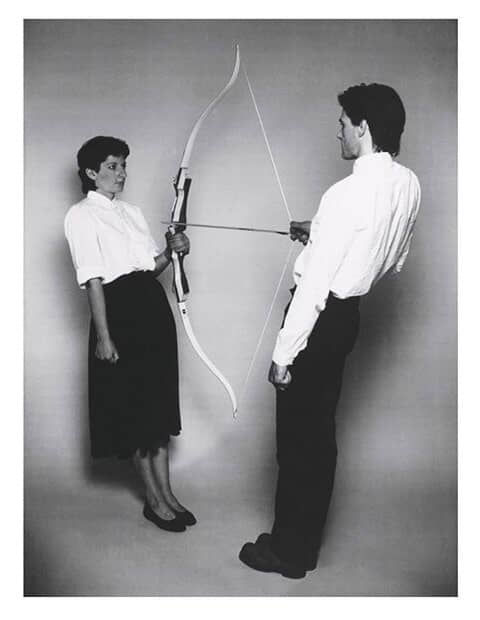
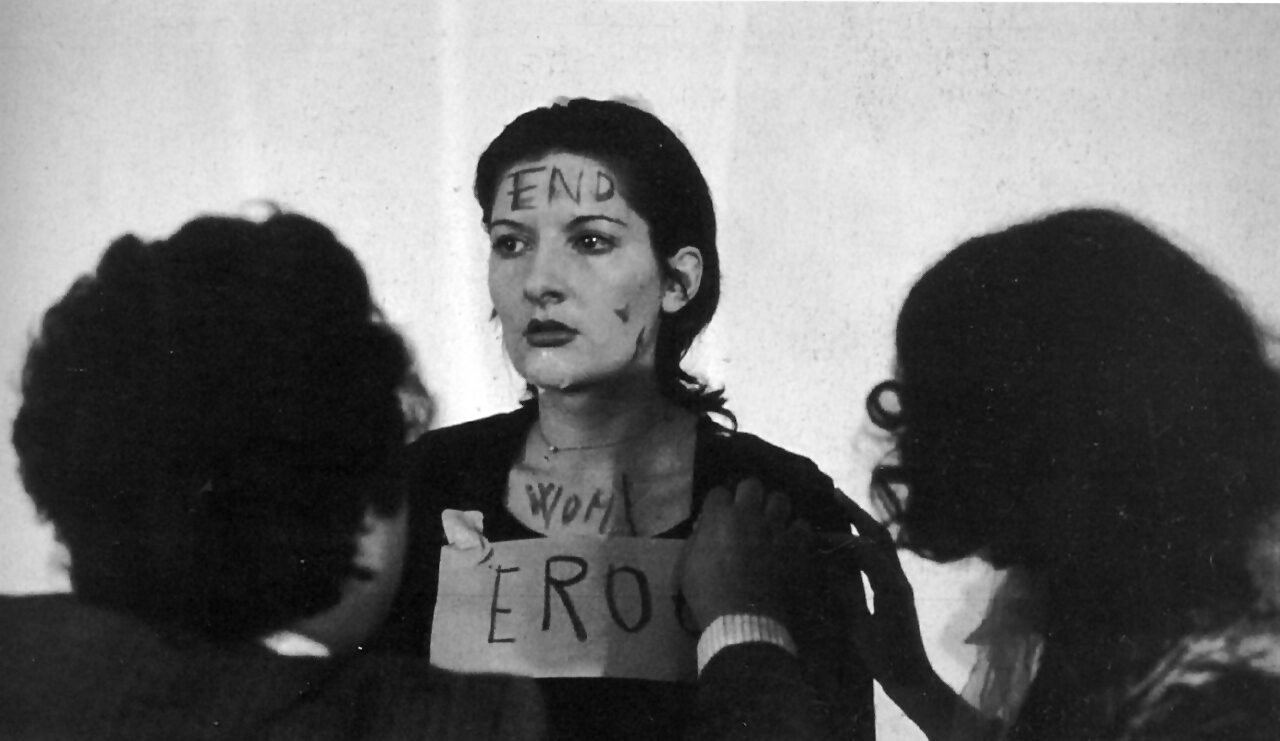
Performance art disrupts what is perceived as standard for museums and collections. The type of art displayed most commonly is paintings or printed photographs. While Marina does display photographs and videos, the main art piece is the actions that were taken to achieve the message of the piece. Her live performances are carefully constructed and are not as easy to move around as a painting, which makes seeing them a unique experience. Exhibiting videos does make her work more accessible, but I do believe that it takes away from the piece, as it is a recording rather than a performance to be witnessed.
Leave a Reply
You must be logged in to post a comment.